Indigenous Schools
“Designing for Indigenous schools means creating environments where culture guides learning and every student feels rooted, supported, and proud”

OUR APPROACH
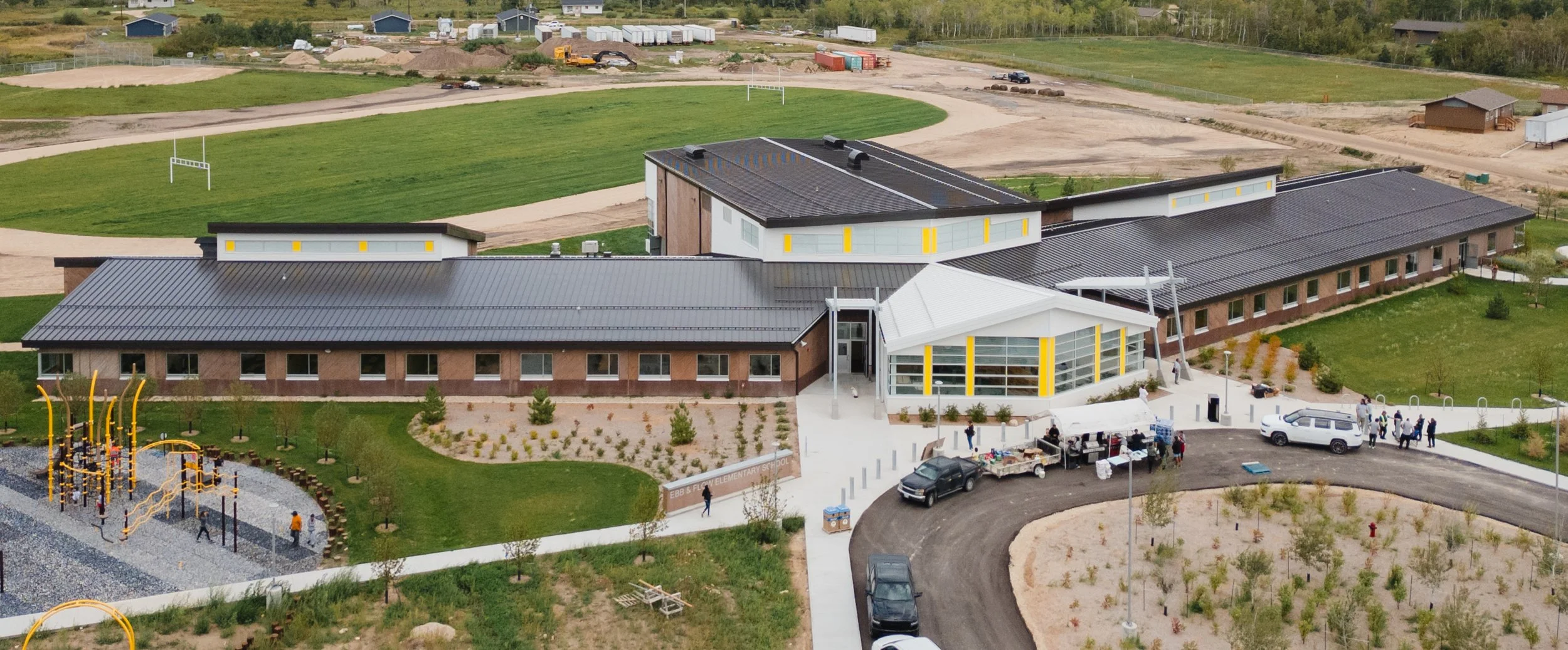
Our approach to Indigenous education projects is rooted in respect, reciprocity, and relationship. We partner with communities to co-design schools that honour culture, language, and land, fostering positive student identity, community pride, and long-term stewardship.
DESIGNING WITH COMMUNITY & CULTURE
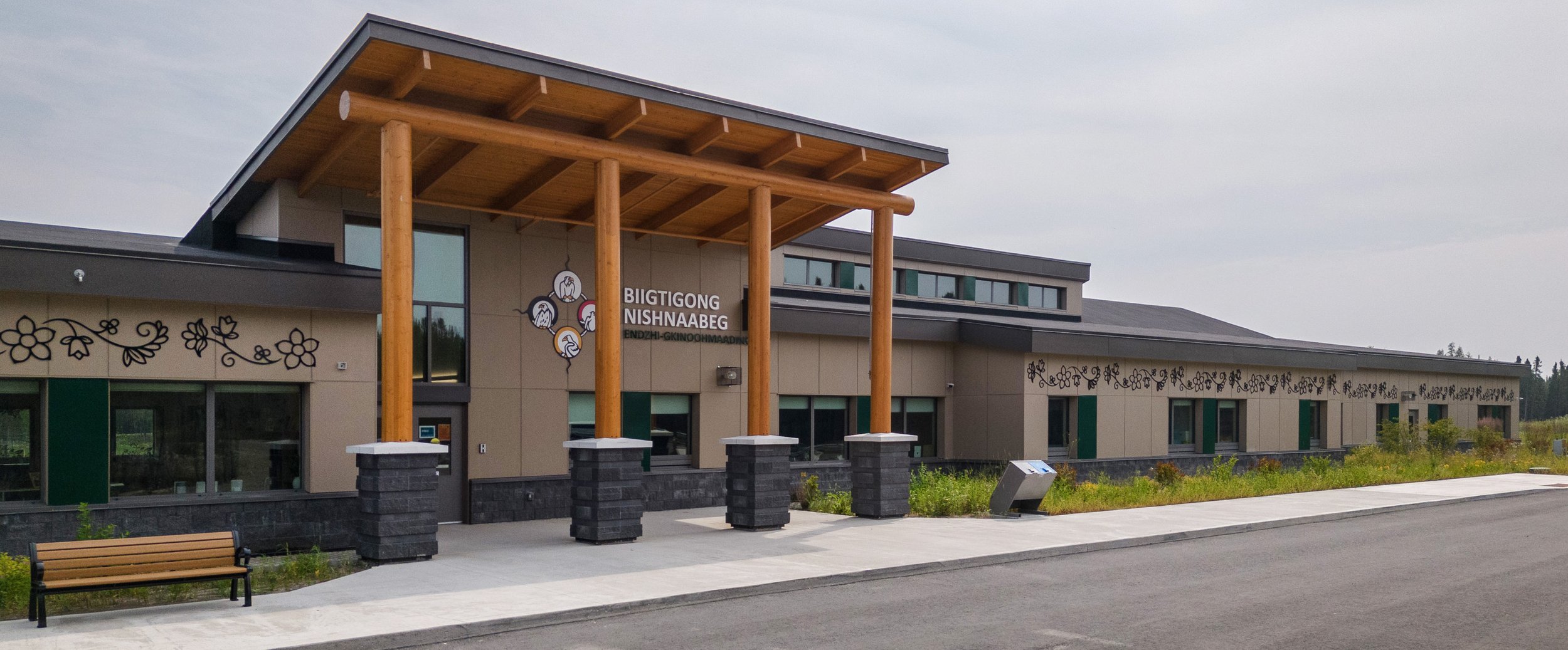
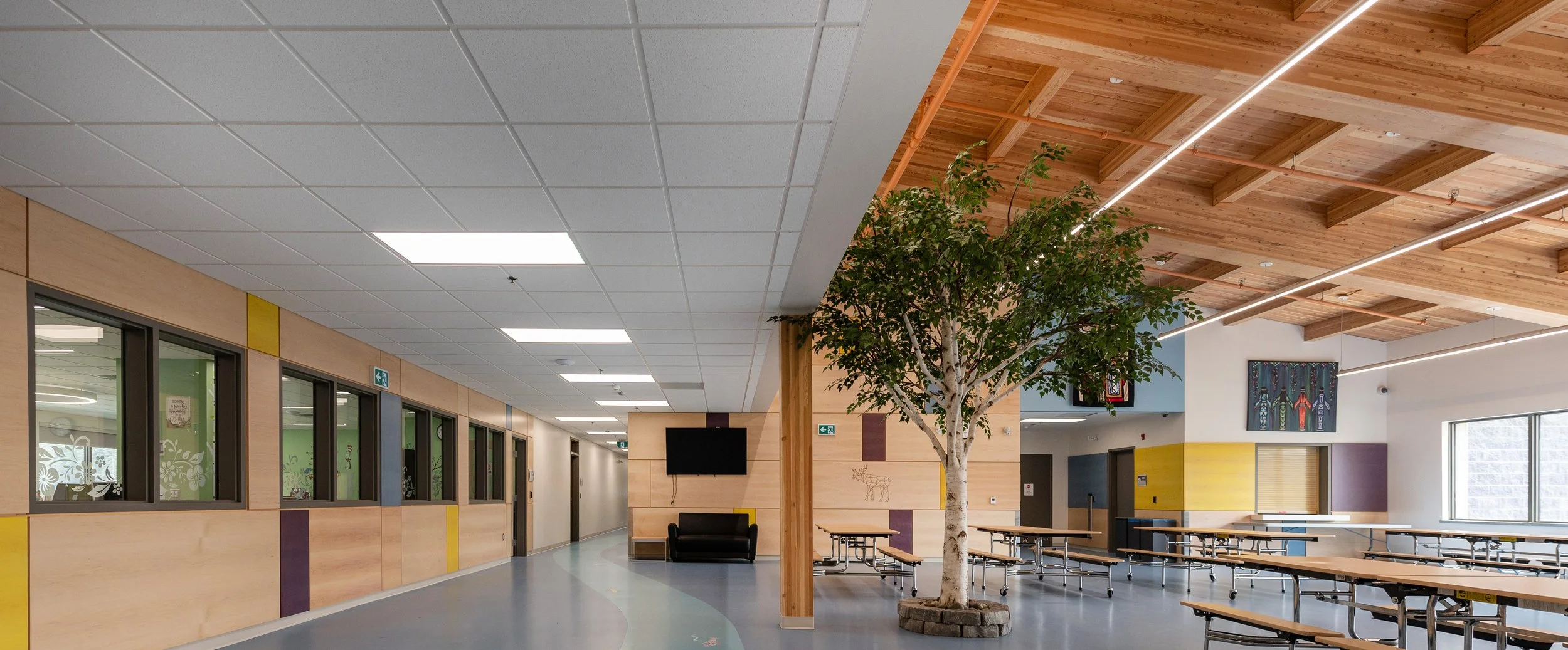
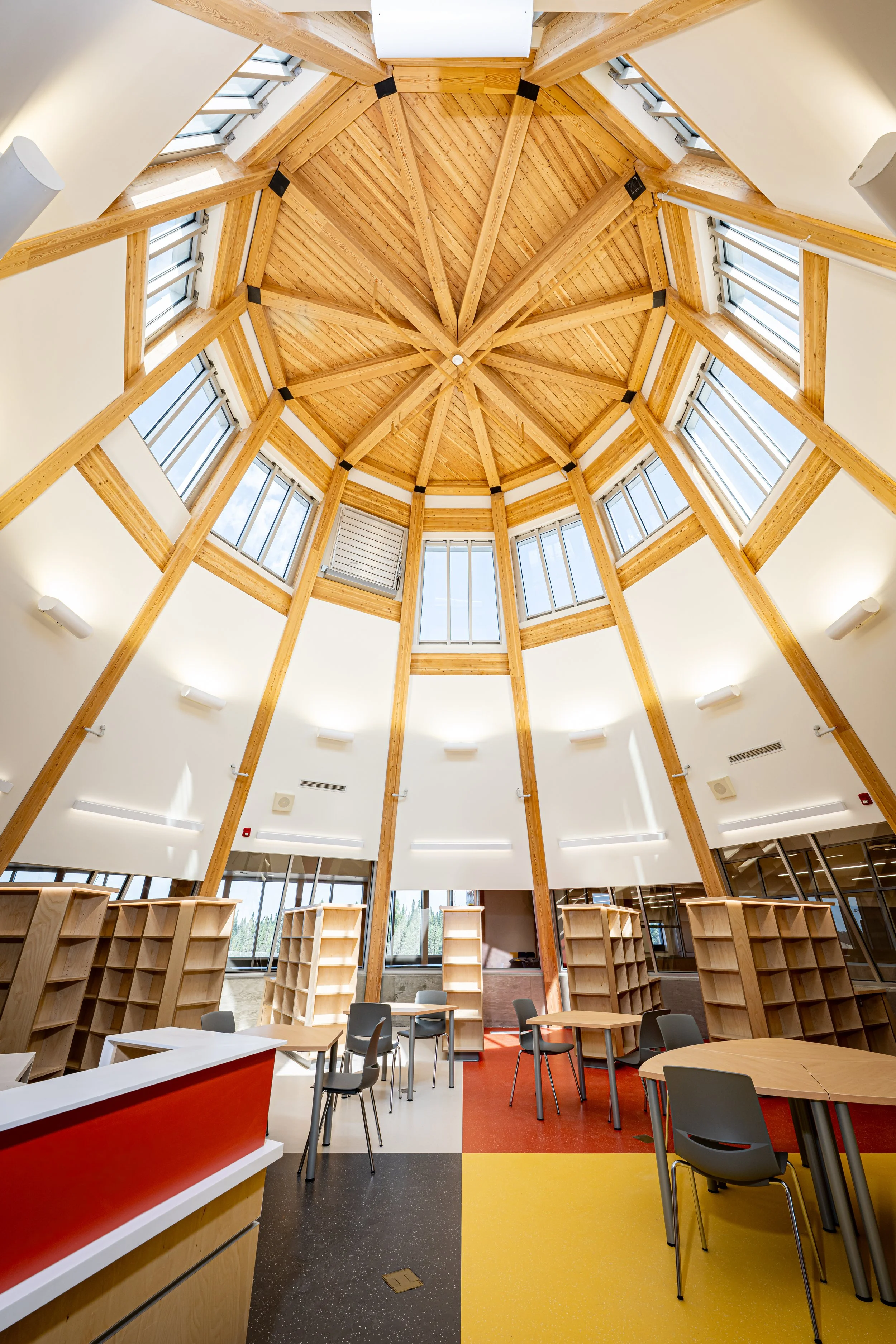
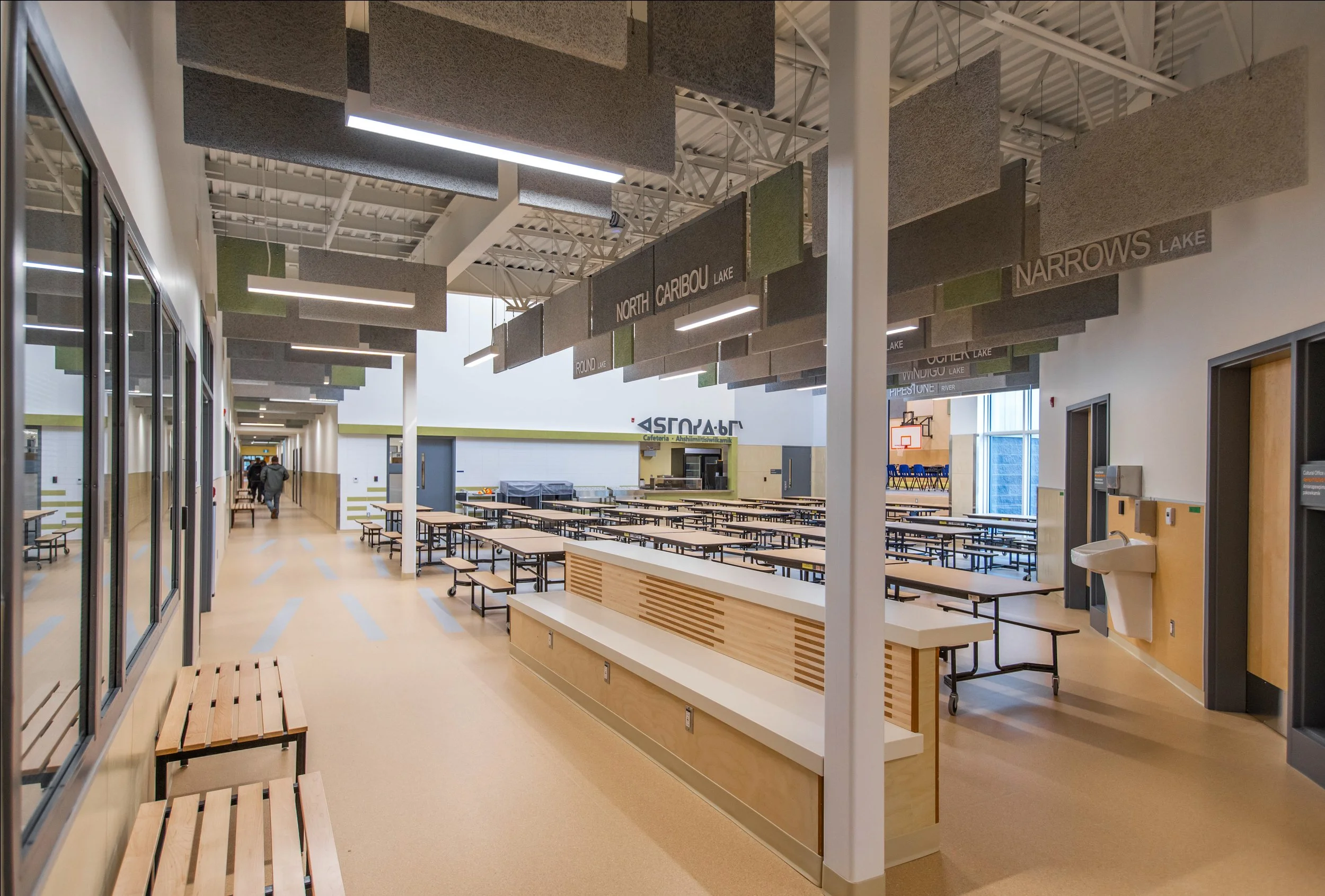
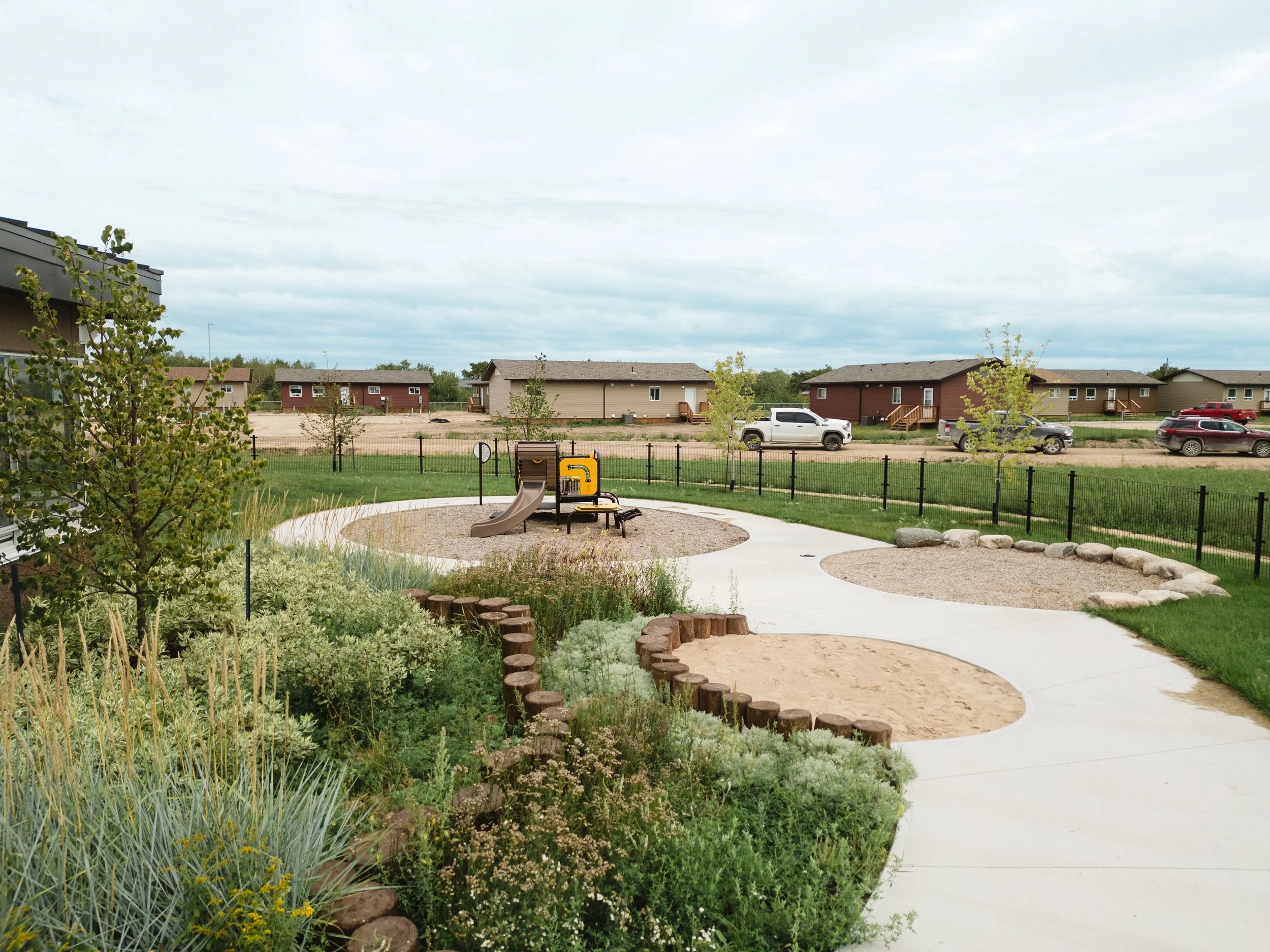
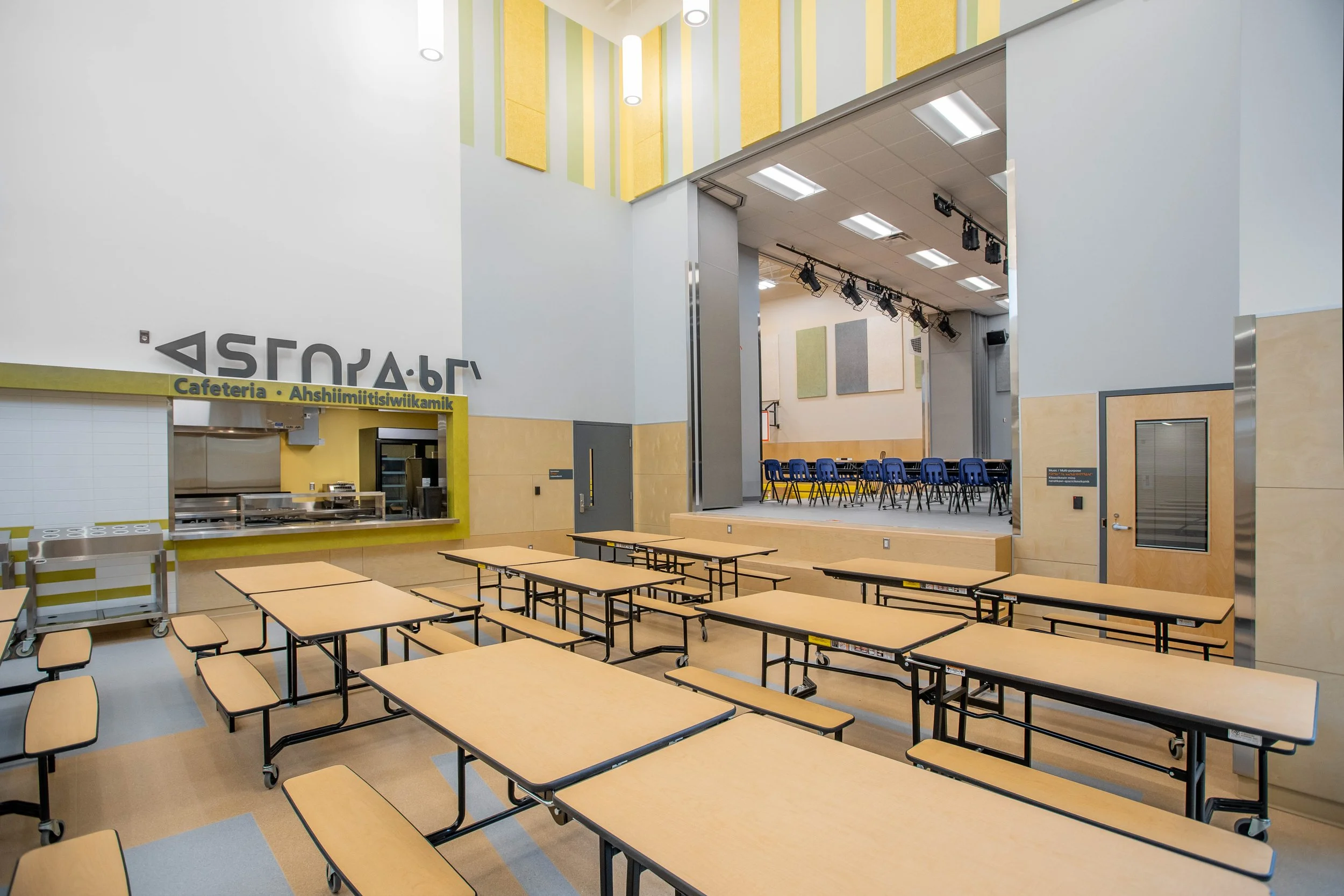
We begin every project by listening. Engagement is community-led, guided by protocols such as talking circles, youth workshops, and ceremonies. Culture is embedded throughout, whether through symbolic architecture, language signage, or gathering spaces, so that schools reflect local traditions and the land they stand on.
CULTURALLY SAFE & SUPPORTIVE ENVIRONMENTS
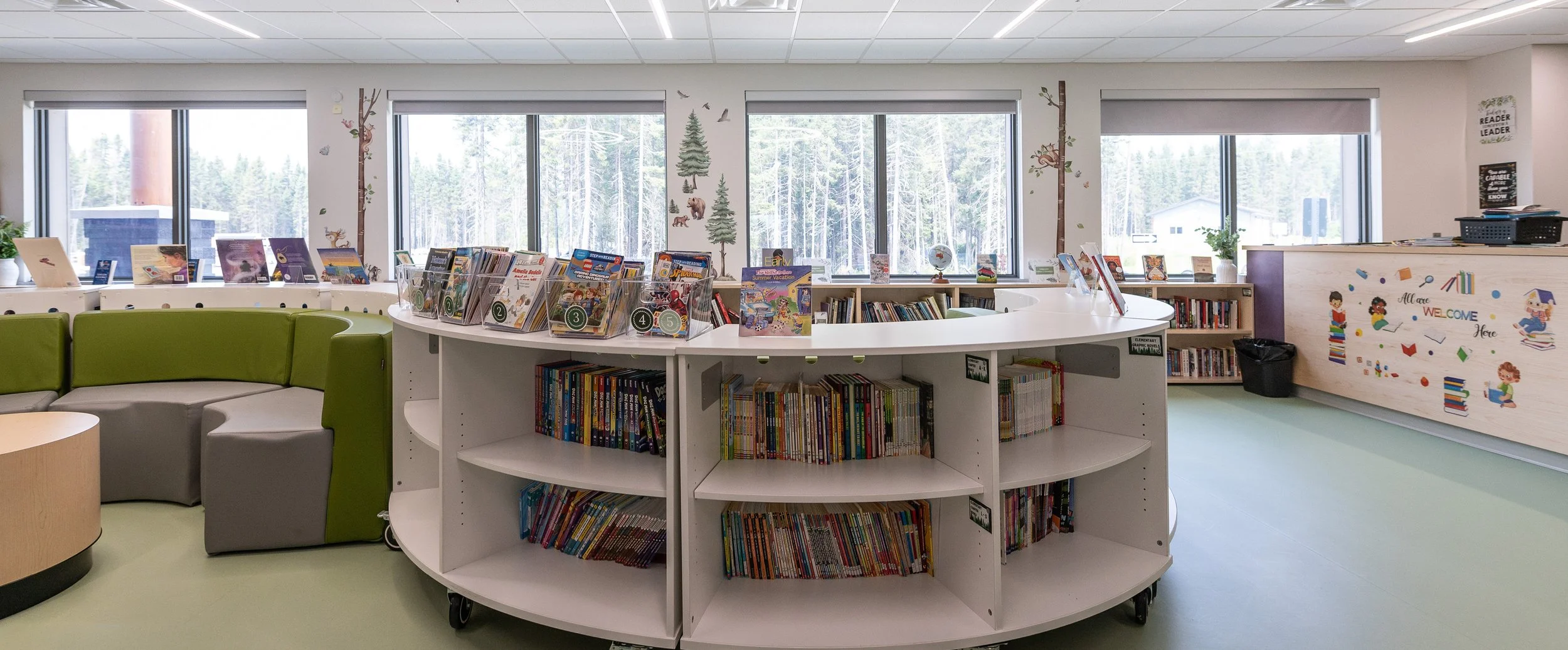
Trauma-informed design principles shape schools that foster dignity, calm, and well-being. Predictable wayfinding, calming palettes, and acoustics tuned for learning create spaces that feel safe and welcoming. Design choices provide both open commons and quiet retreat areas, ensuring students have choice and comfort within their environment.
RESILIENT & PRACTICAL DESIGN FOR REMOTE CONTEXTS
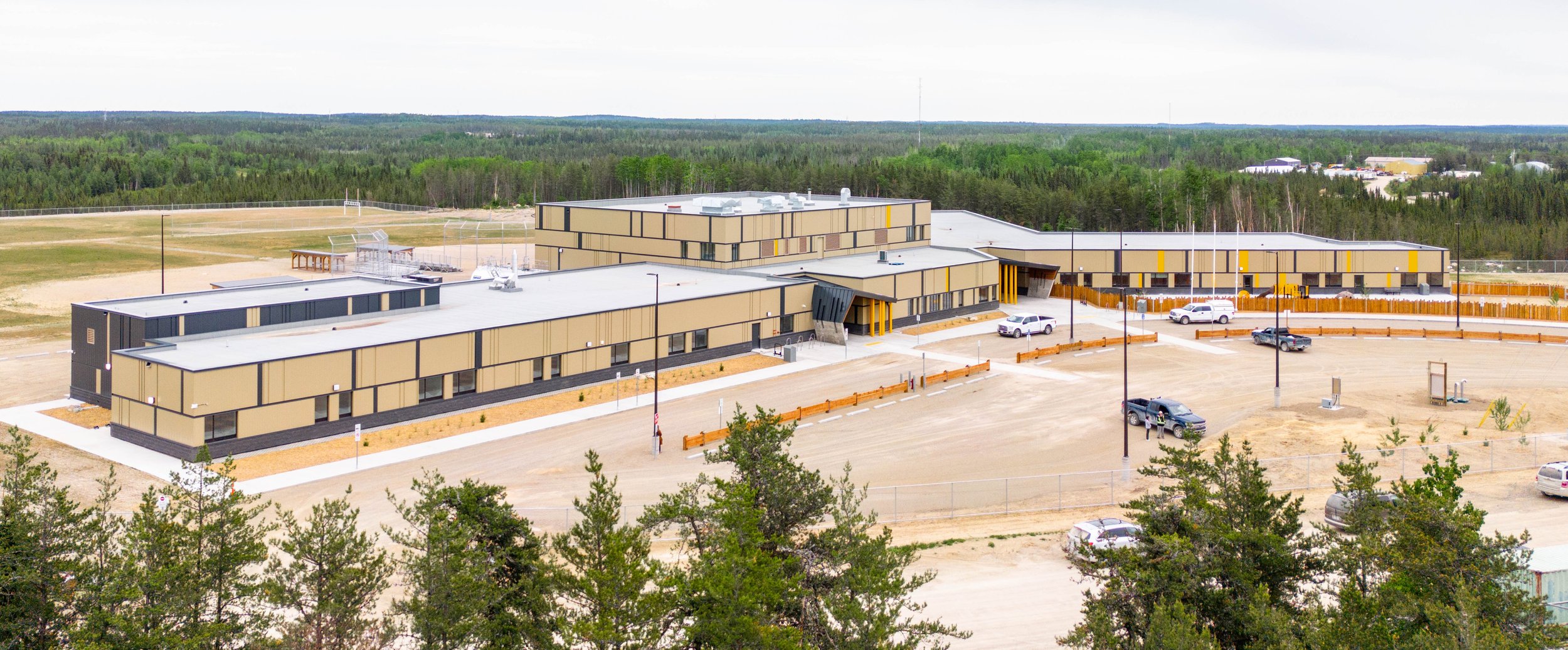
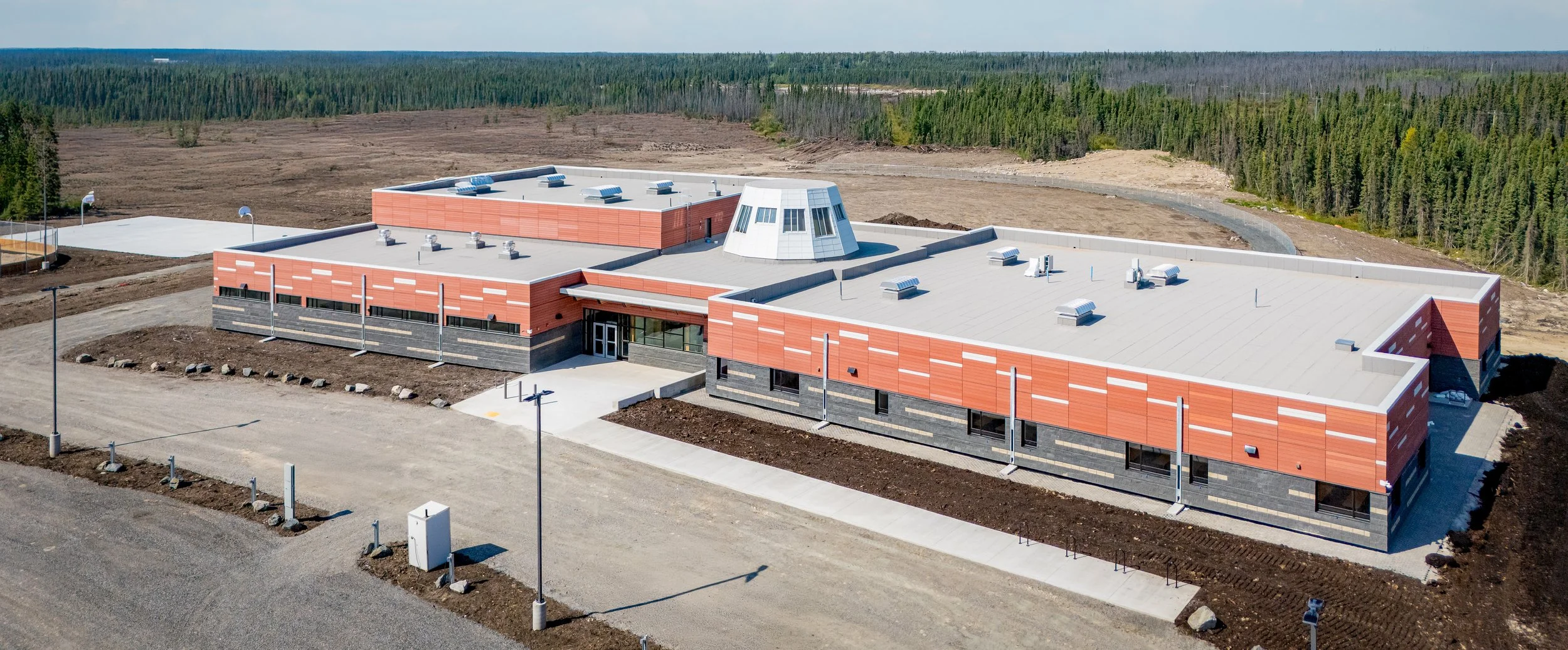
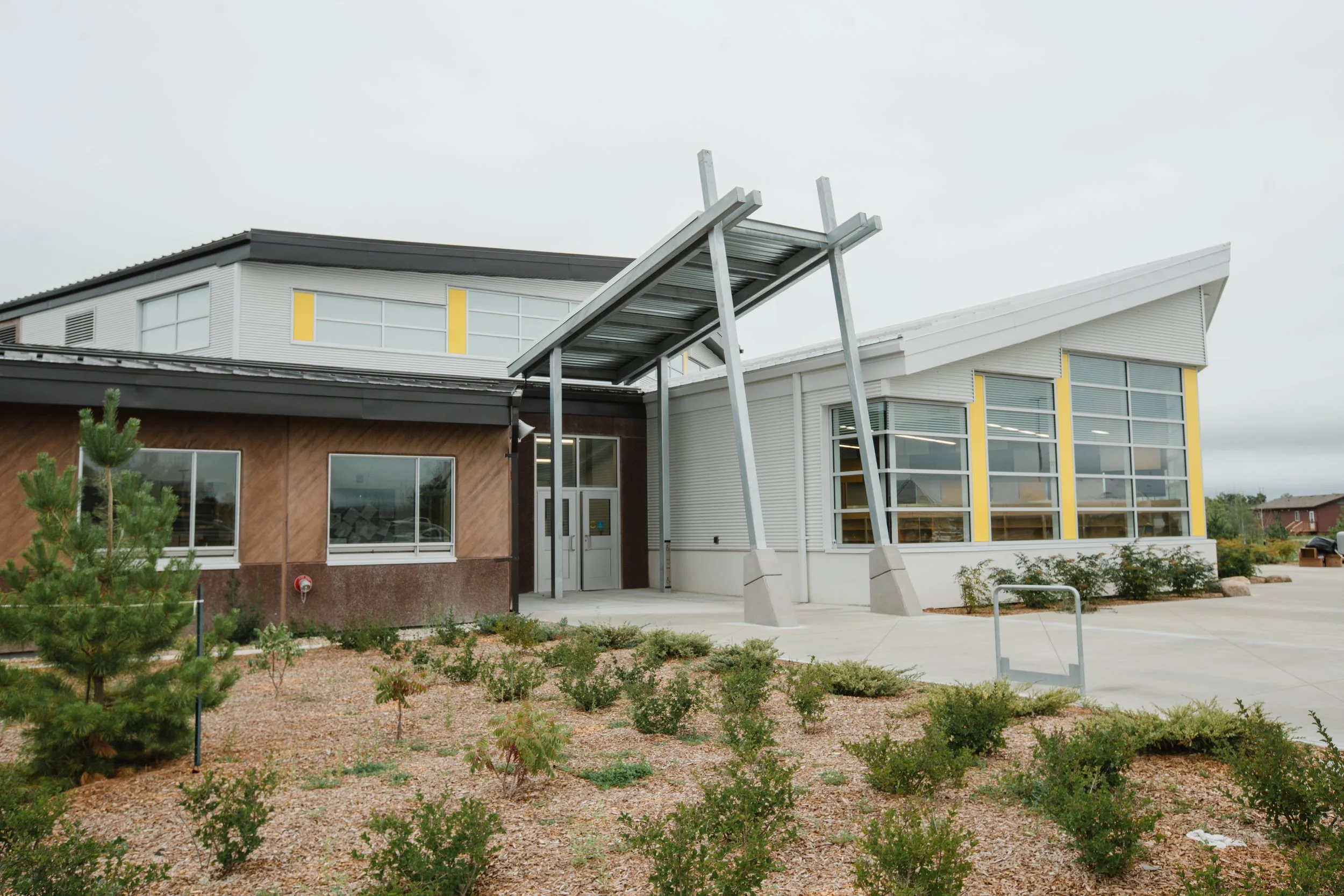
We use durable materials, streamlined systems, and passive strategies to ensure reliability and resilience in northern and remote communities. Standardized components cut costs and simplify maintenance, while local labour and training foster capacity building and strengthen community economies.
YOUTH & COMMUNITY VOICE IN DESIGN
Students, Elders, and community members are active partners from the start. Through workshops, sketches, models, and walk-throughs, youth ideas directly shape the final design—building pride and ownership. Community personalization, such as art displays or cultural kitchens, ensures schools remain living reflections of identity and tradition.
Our Commitment
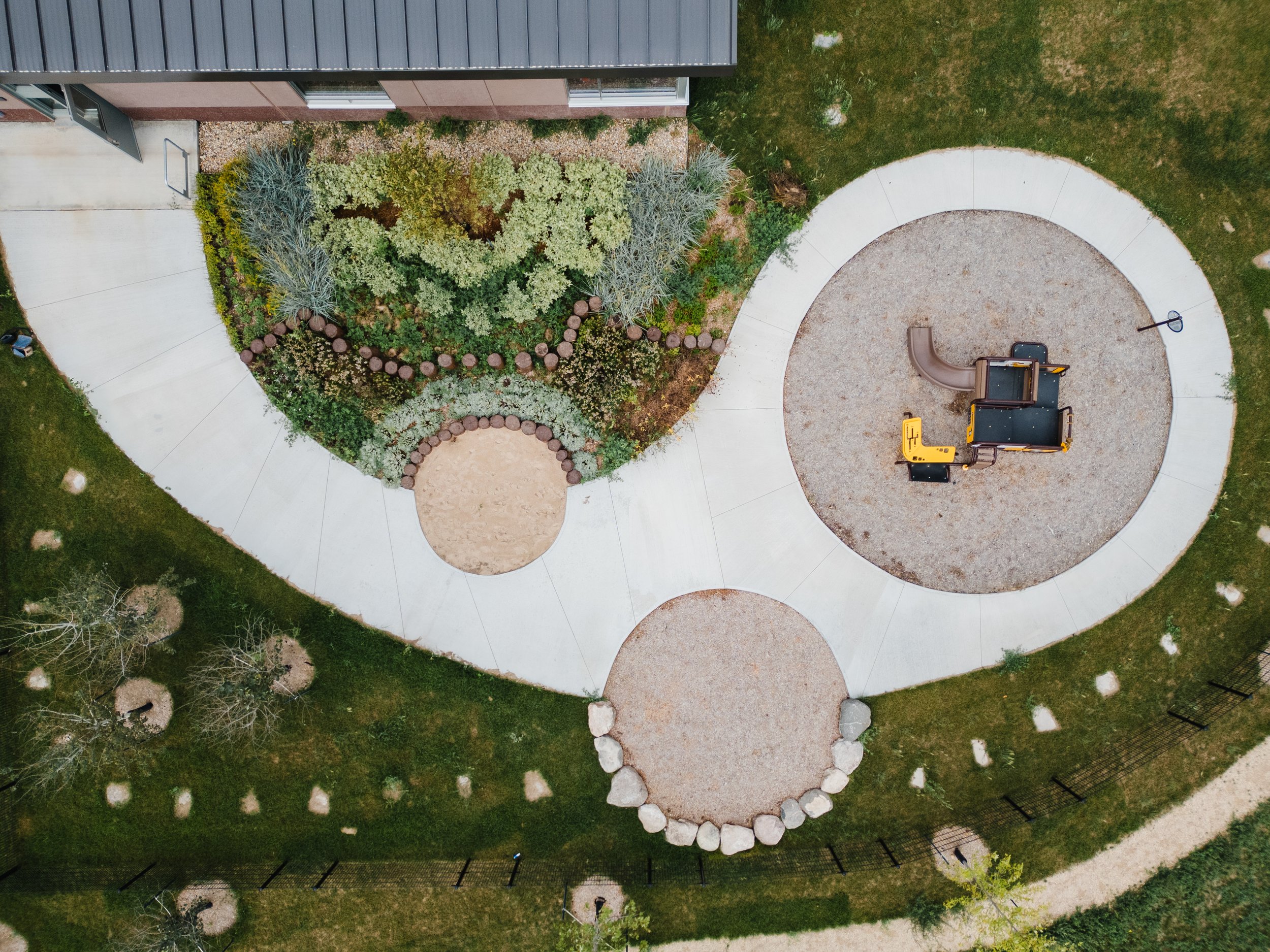
We design schools that go beyond buildings, spaces that honour culture, nurture student identity, and empower communities. By integrating technical excellence, cultural authenticity, and community engagement, we deliver First Nations schools that are resilient, adaptable, and inspiring.
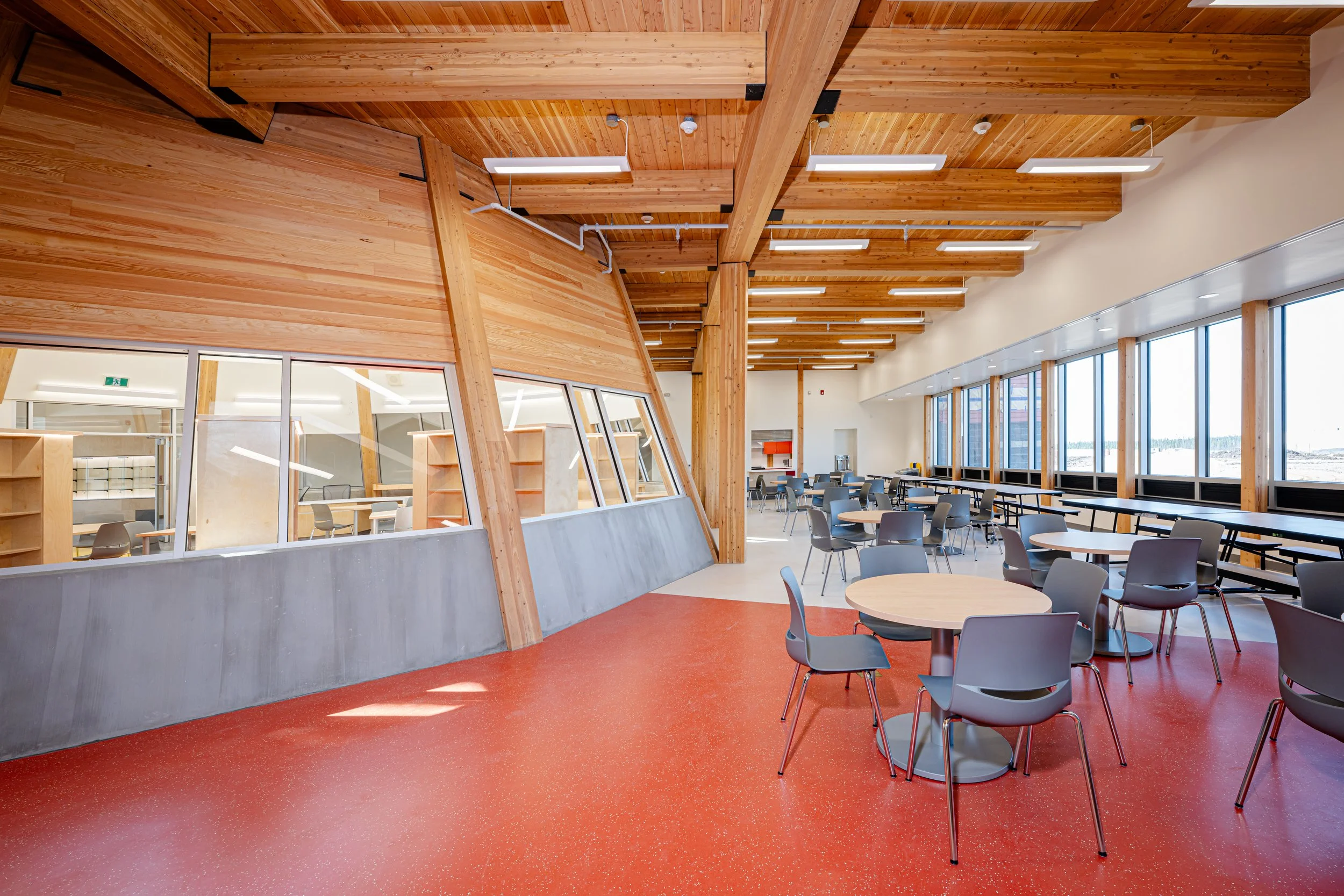
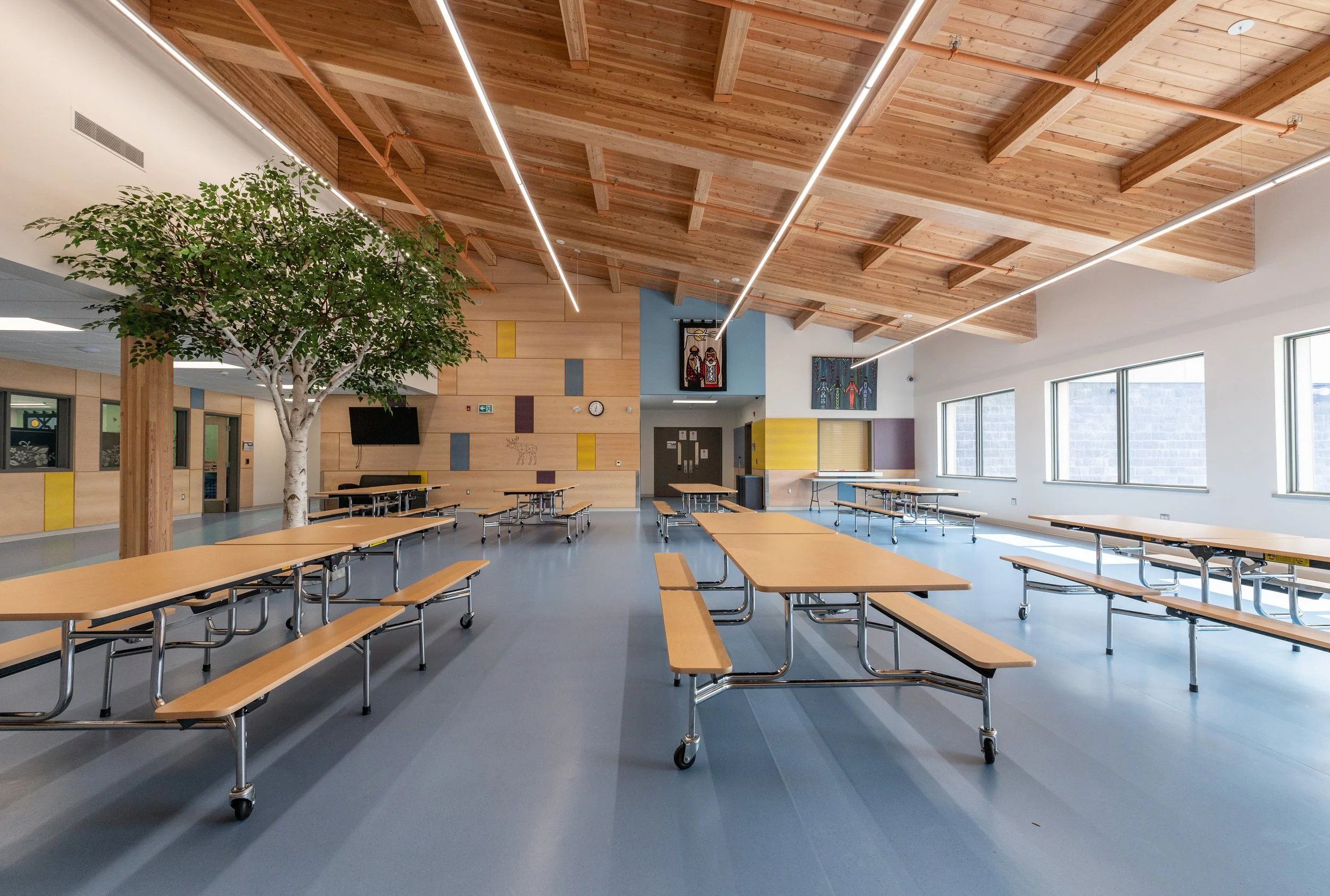
LIGHTING & VIEWS
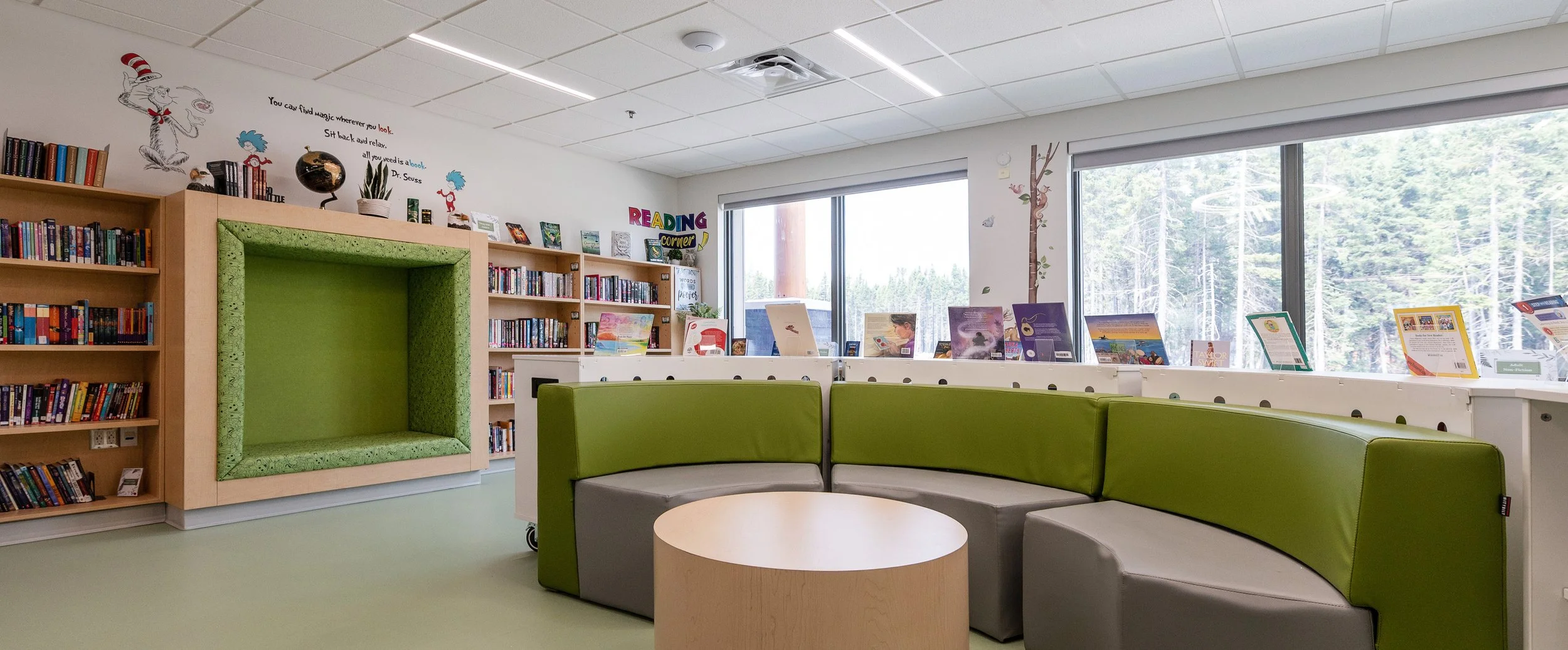
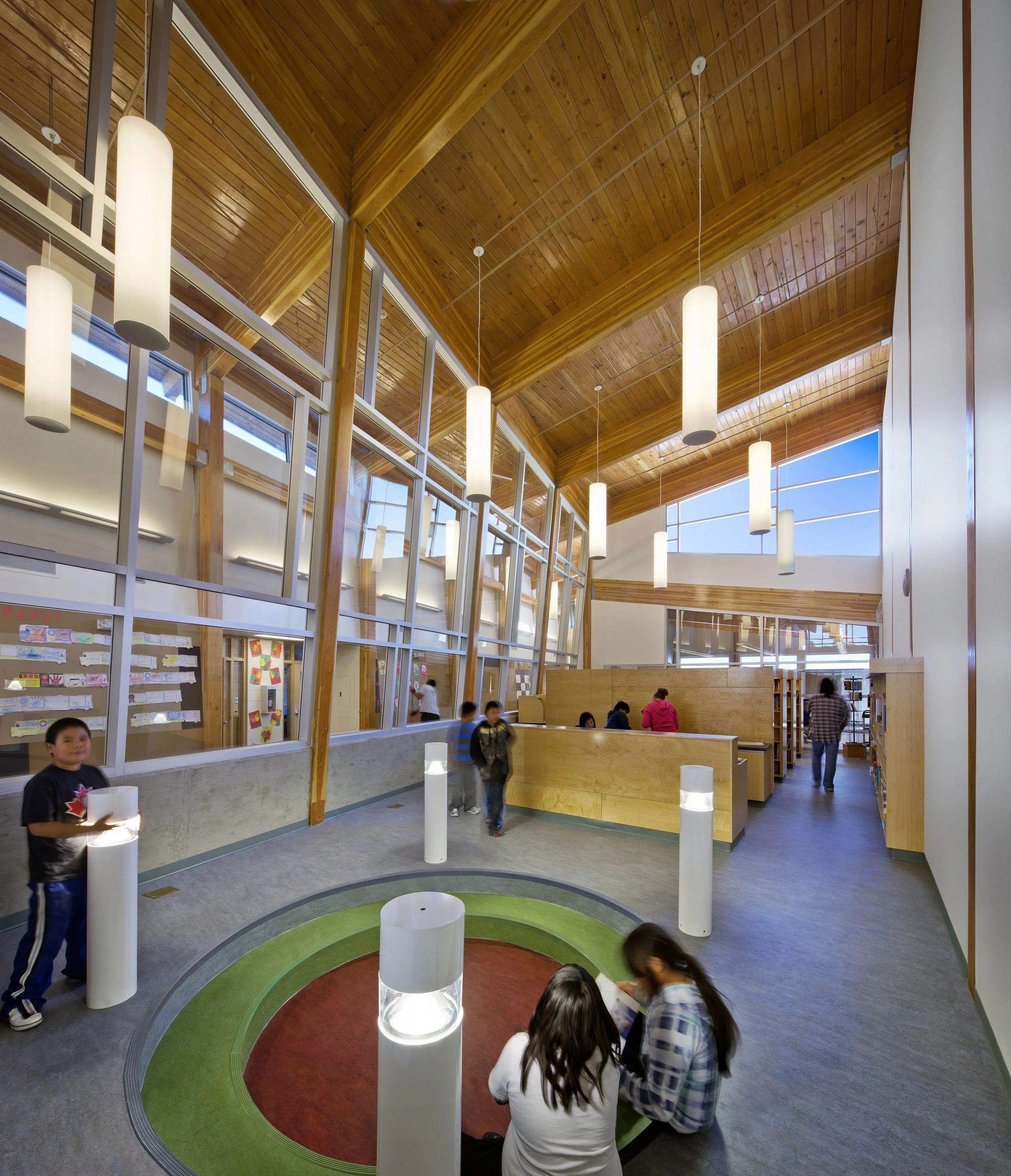
Lighting strategies should balance natural and artificial sources to support comfort, energy efficiency, and focus. Classroom lighting must be flexible and adjustable, accounting for orientation, season, and activity. Window treatments help manage daylight, while indirect and direct artificial lighting maintain color quality and visual comfort throughout the day.
Furniture
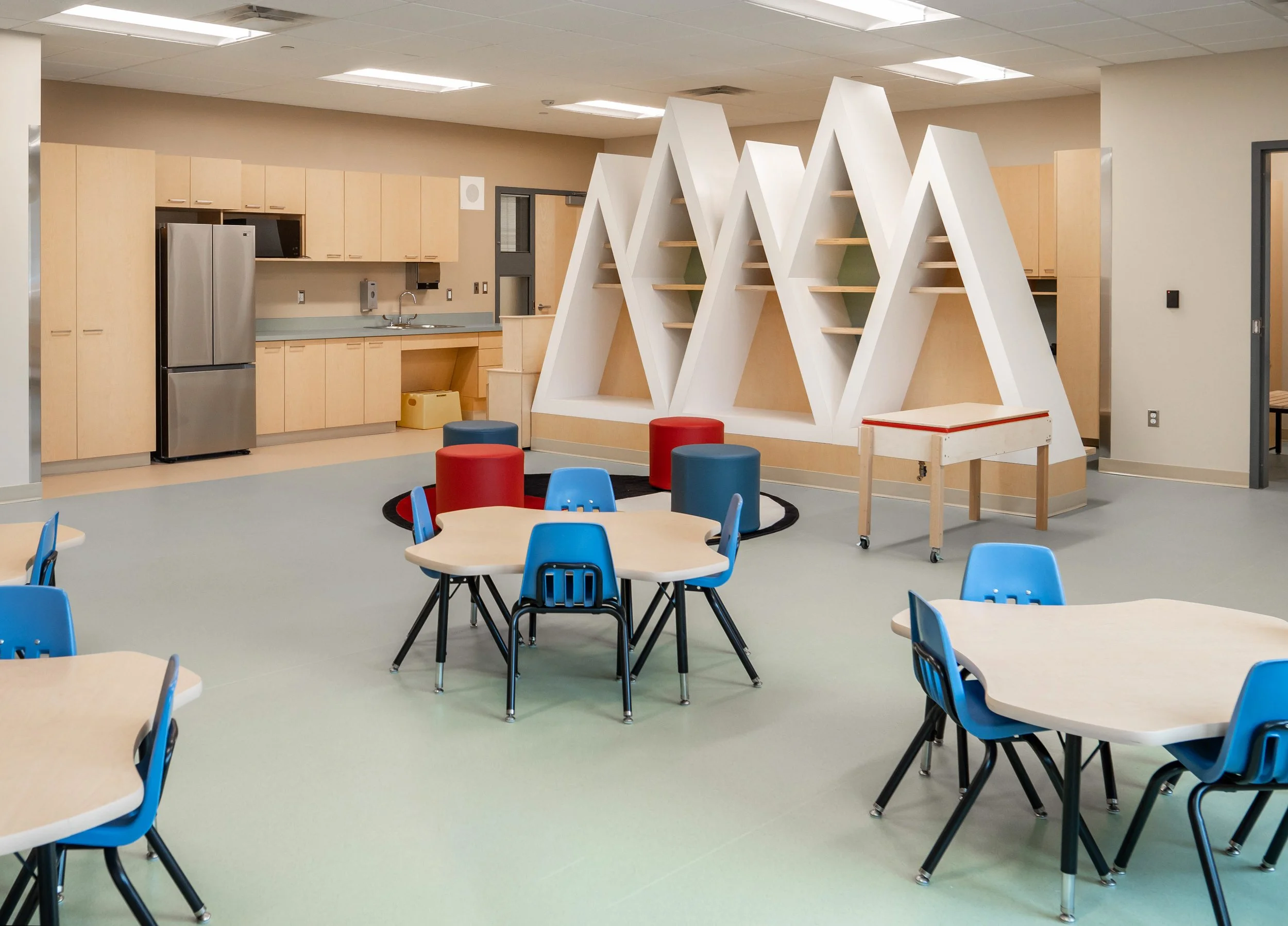
Furniture remains one of the most under-optimized aspects of school design. Spaces should support a range of body types, abilities, and activities—allowing students to move, adjust, and stretch throughout the day. From standing desks to soft seating, furniture should adapt as learners grow, supporting comfort and engagement.
Emerging Trends in EDUCATION DESIGN
For many students, entering a new educational environment marks a moment of growth and possibility. Each stage of learning brings new expectations, responsibilities, and opportunities to explore. These transitions can be both energizing and demanding, underscoring the value of spaces that promote comfort, confidence, and connection. Through thoughtful design, learning environments can evolve beyond the institutional model to become cohesive communities—scaling naturally from individual focus to collective engagement. As educational needs continue to evolve, several key design considerations are shaping how we create adaptable, inclusive, and future-ready spaces.
TECHNOLOGY
Educational technology continues to evolve rapidly, requiring learning environments that are adaptable and flexible. Architectural tools such as demountable partitions and removable ceilings, combined with enhanced electrical and communication systems, help future-proof schools. We design nimble environments that can be easily reconfigured over time without extensive renovation.