PUBLIC EducatioN
“Designing for public schools means creating environments where every student feels supported to learn, grow, and belong.”
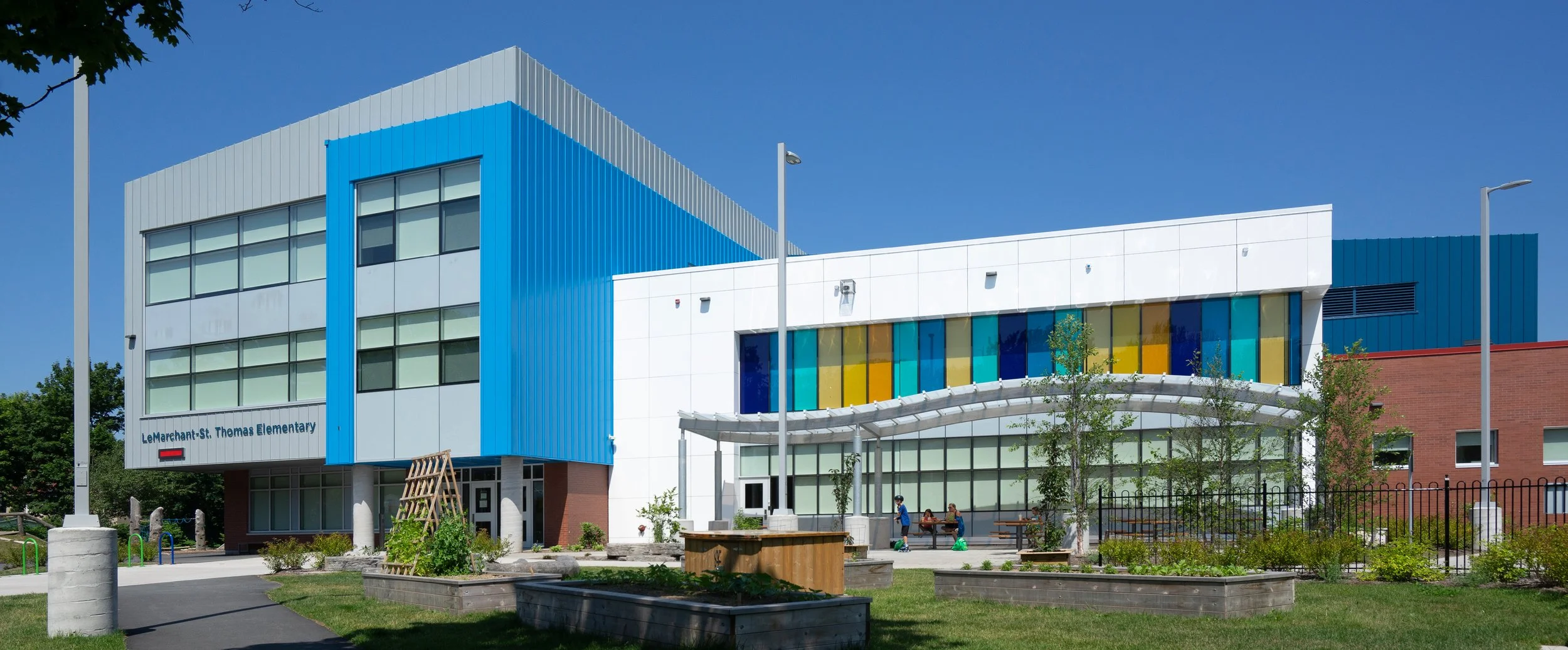
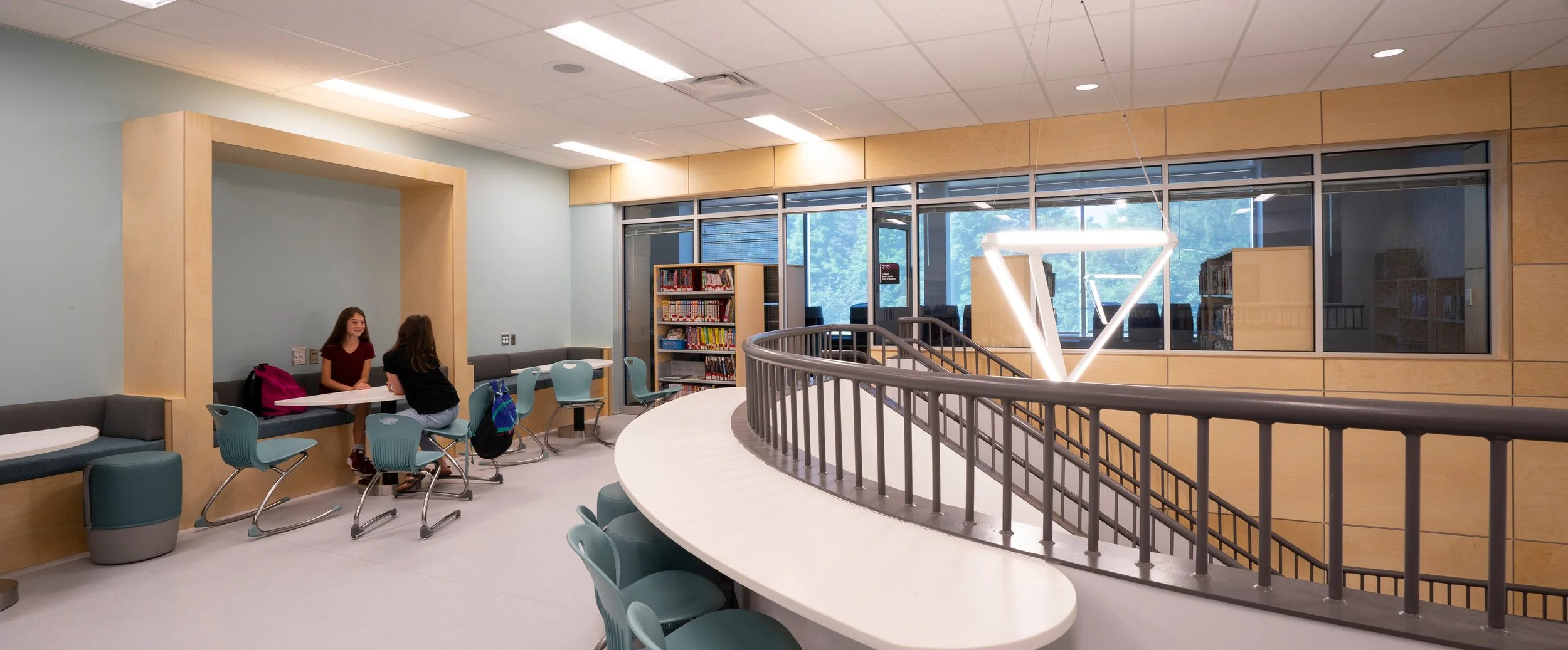
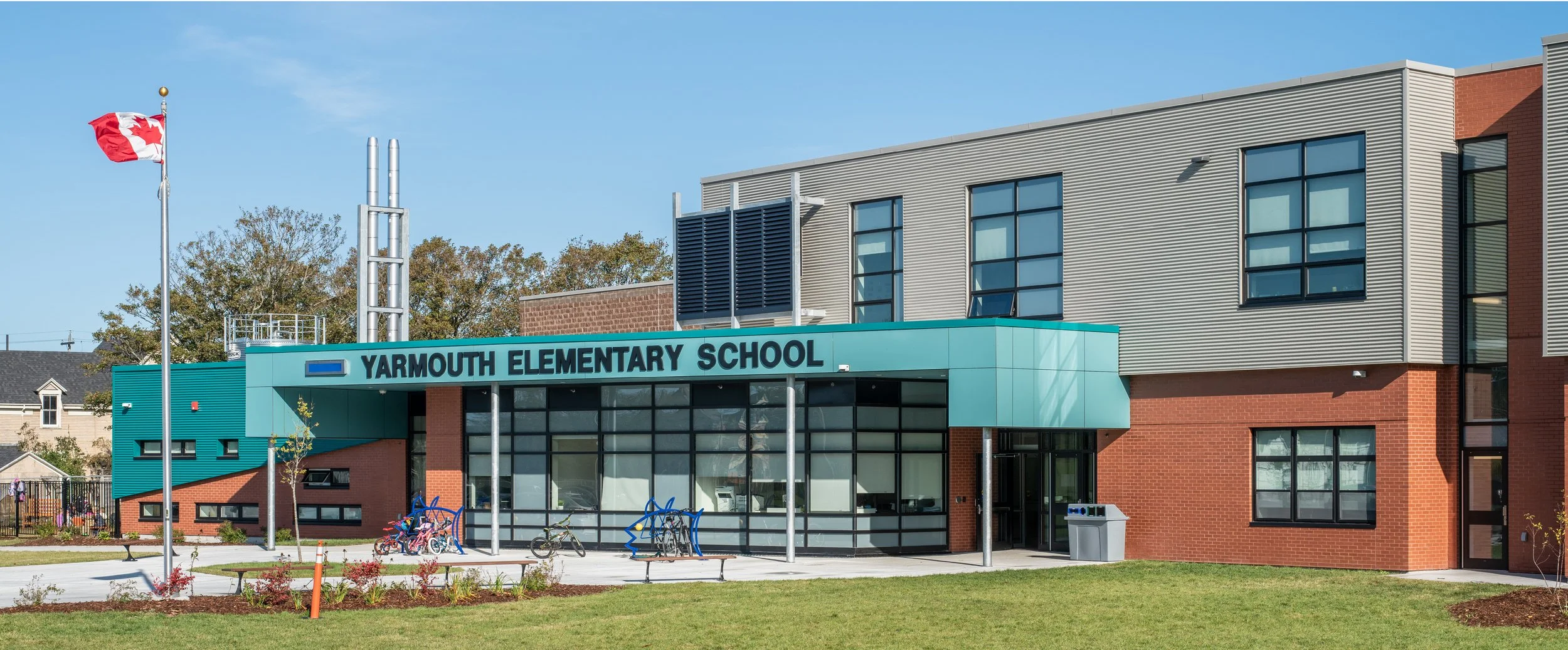
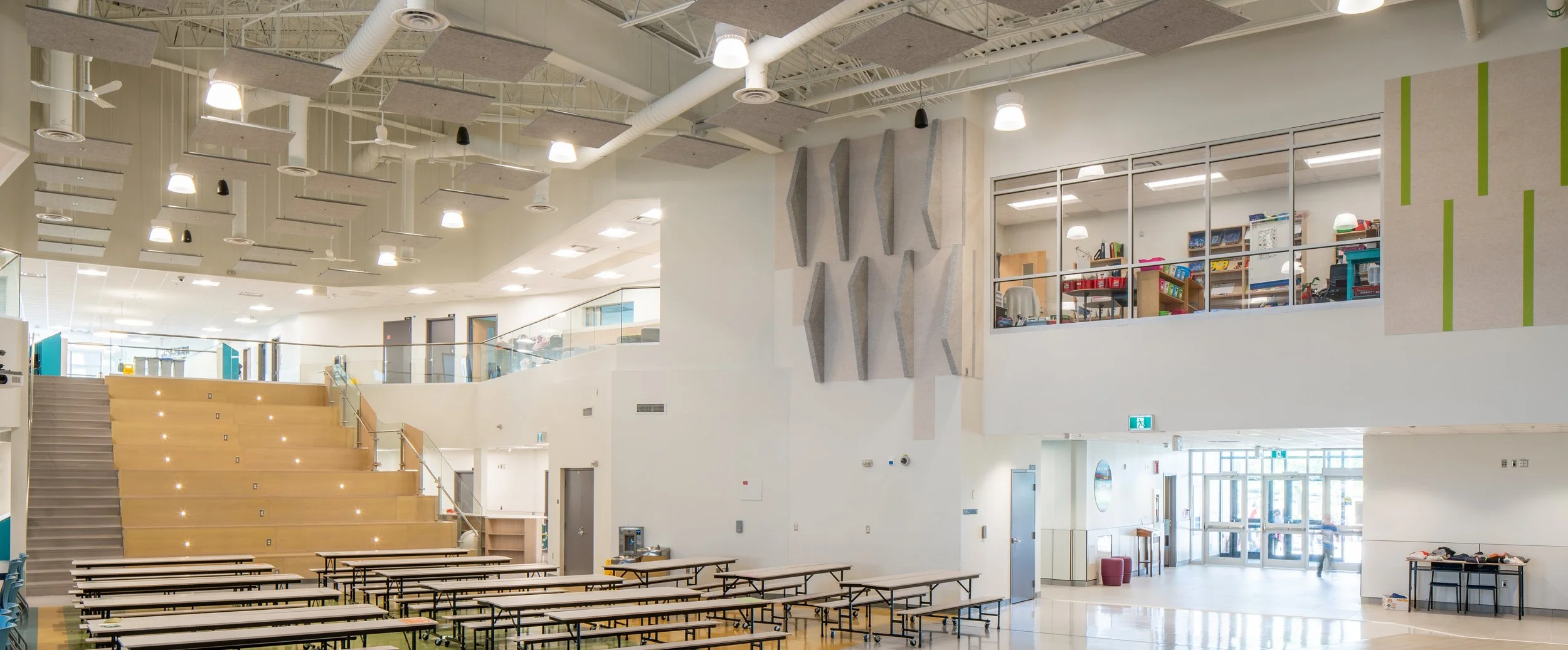
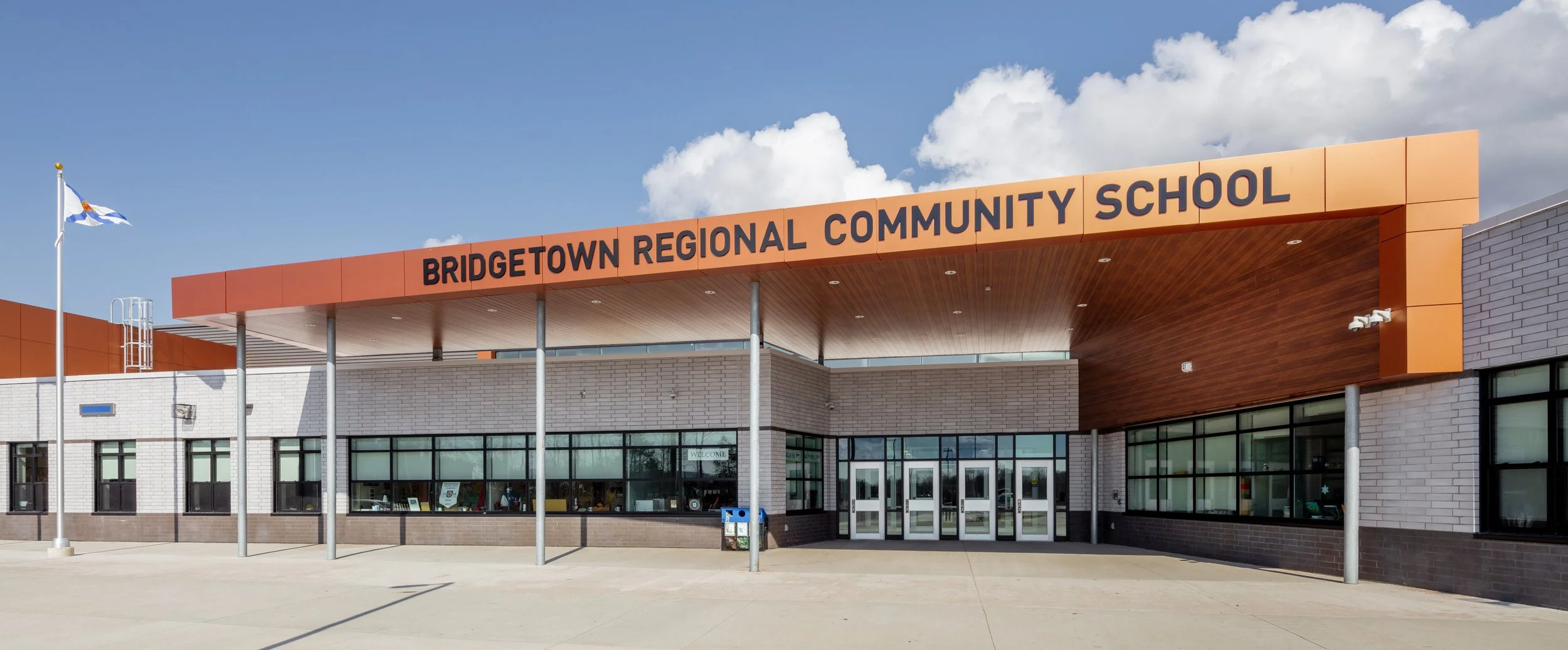
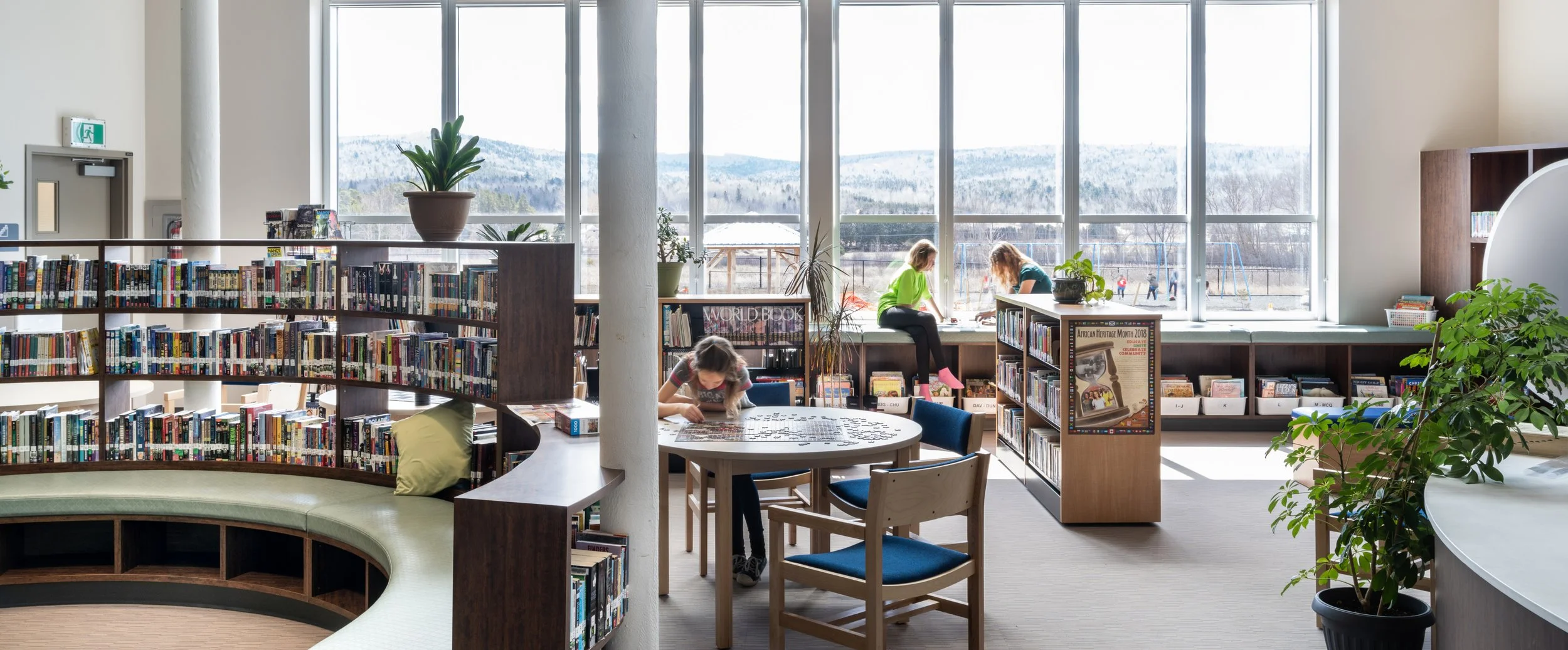
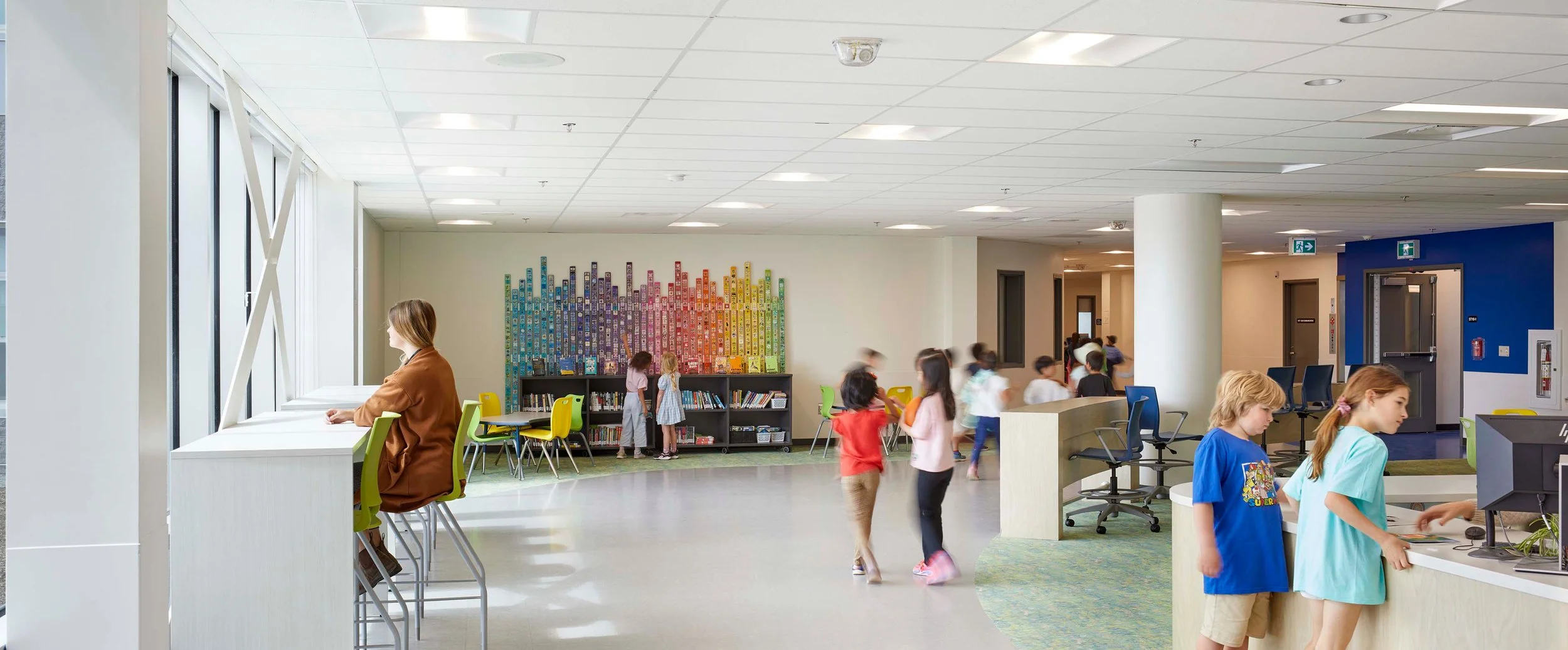
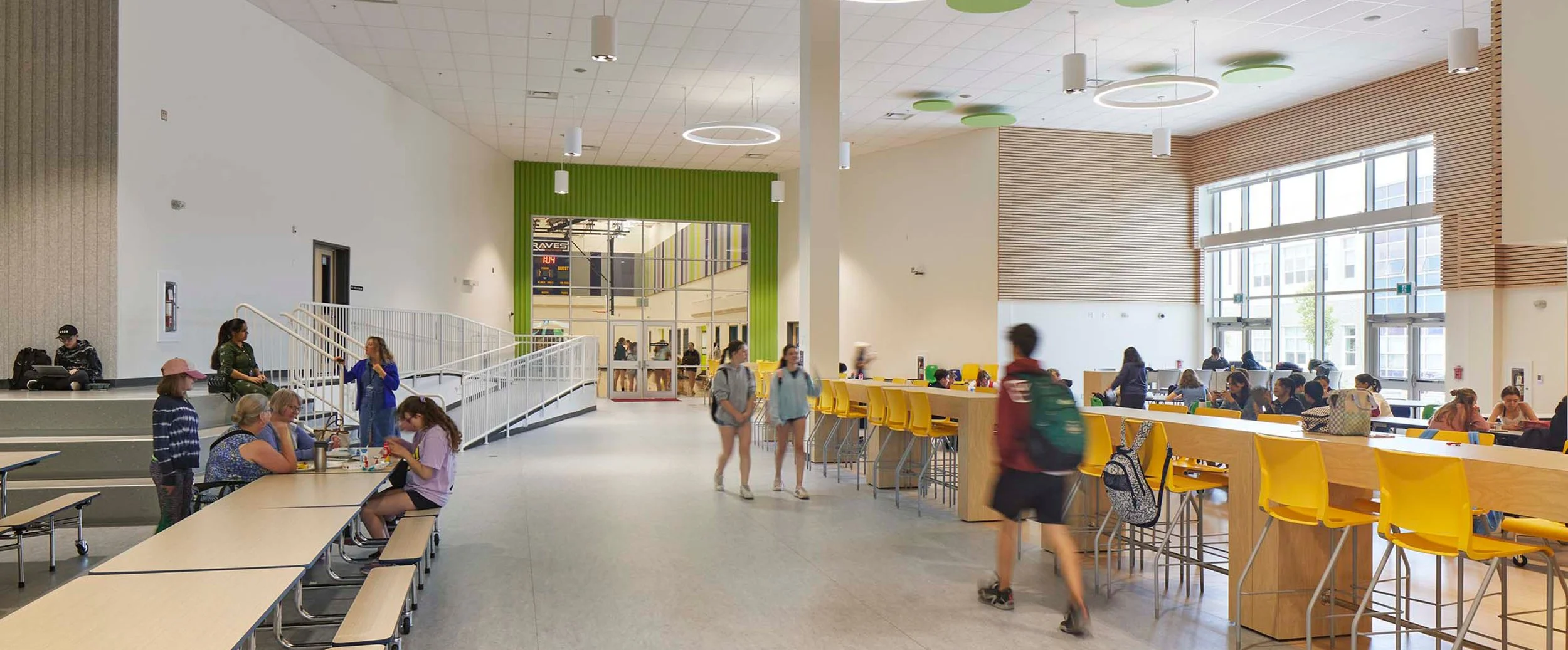
As a national leader in educational design, we create learning environments that empower students and strengthen communities. For decades, our schools have gone beyond classrooms—offering flexible, inclusive, and sustainable spaces where every square foot supports learning. Our expertise spans new builds, modernizations, and community-integrated facilities, consistently setting benchmarks for innovation and student success across Canada.
Designing for Every Learner
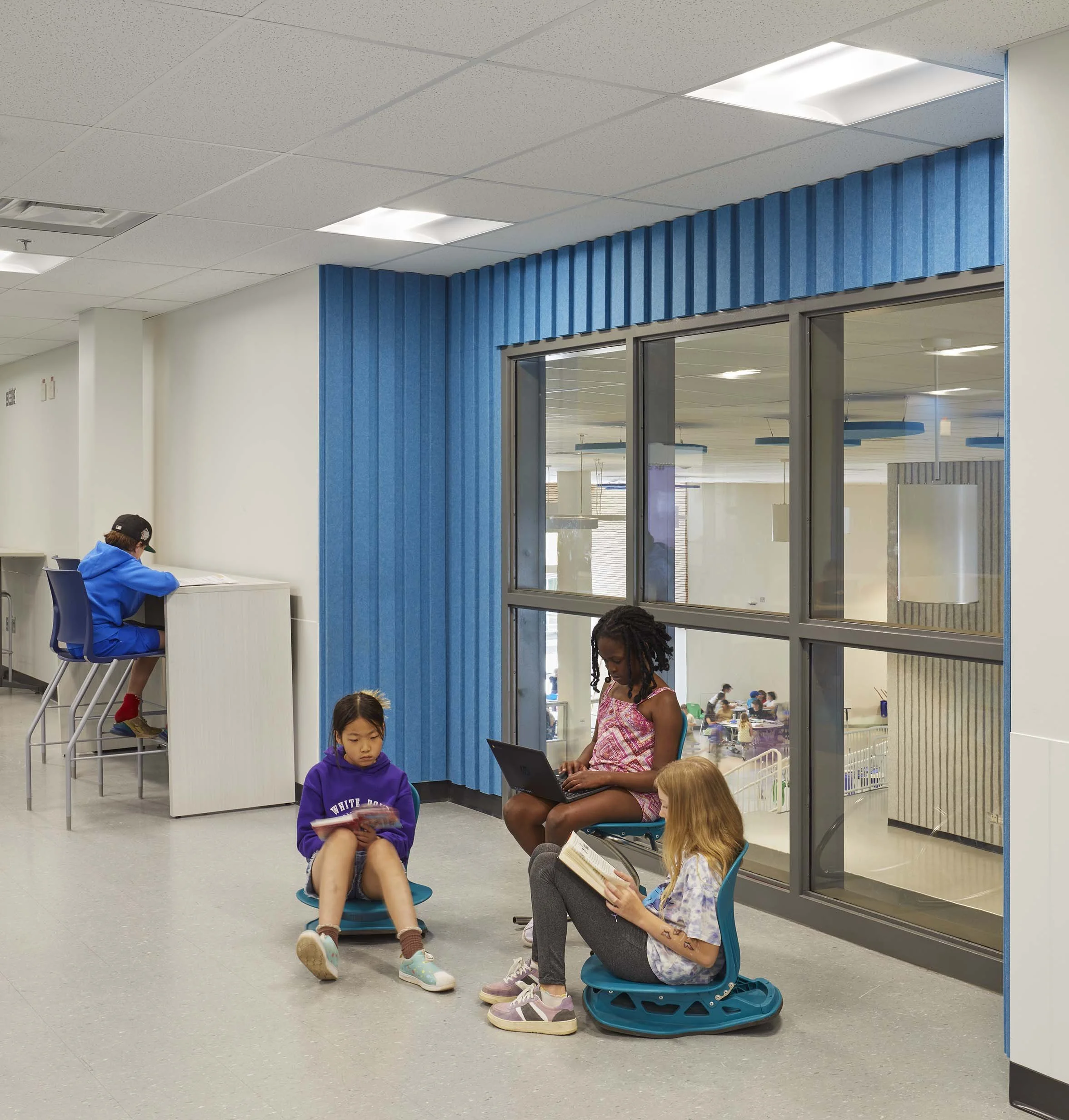
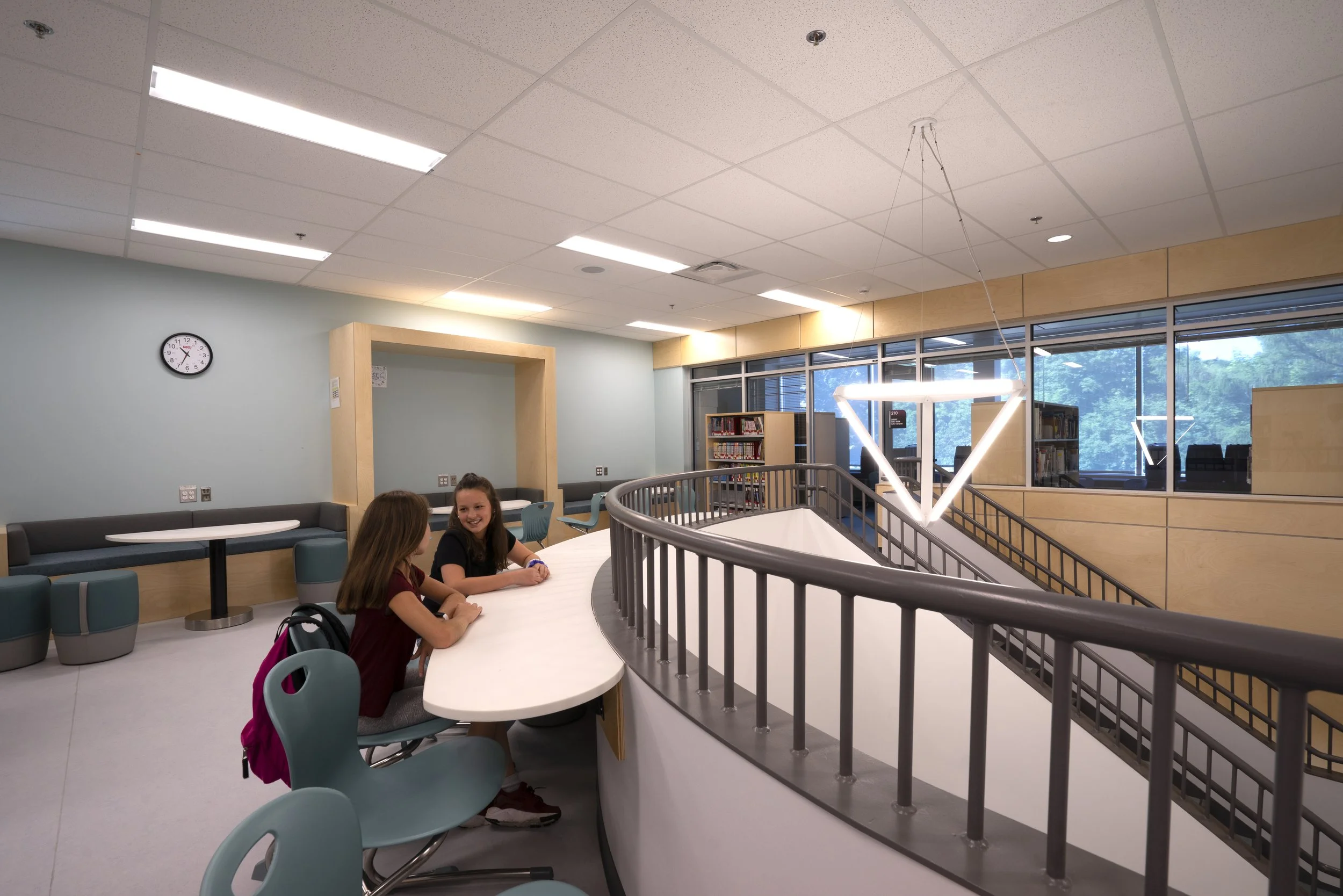
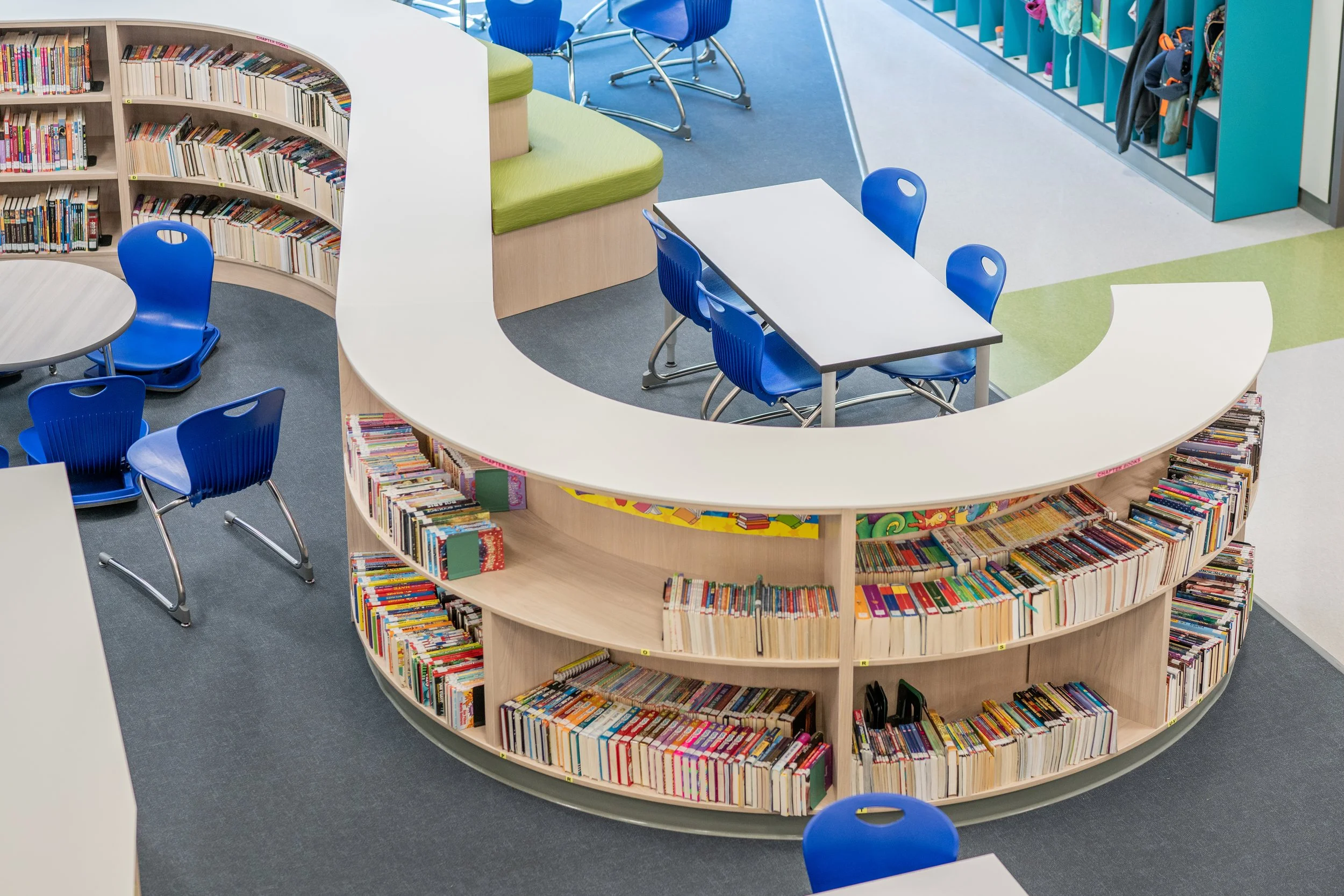
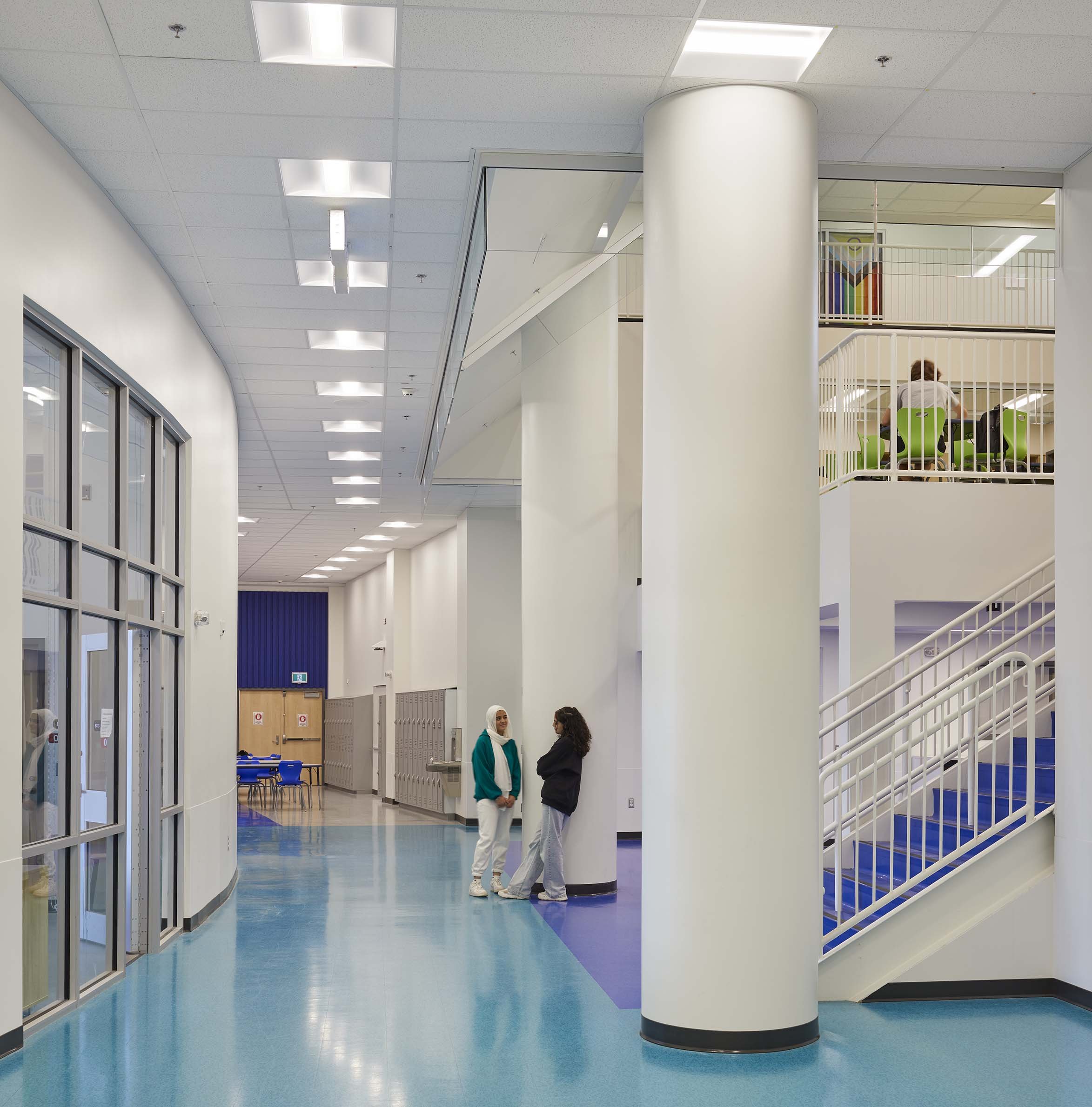
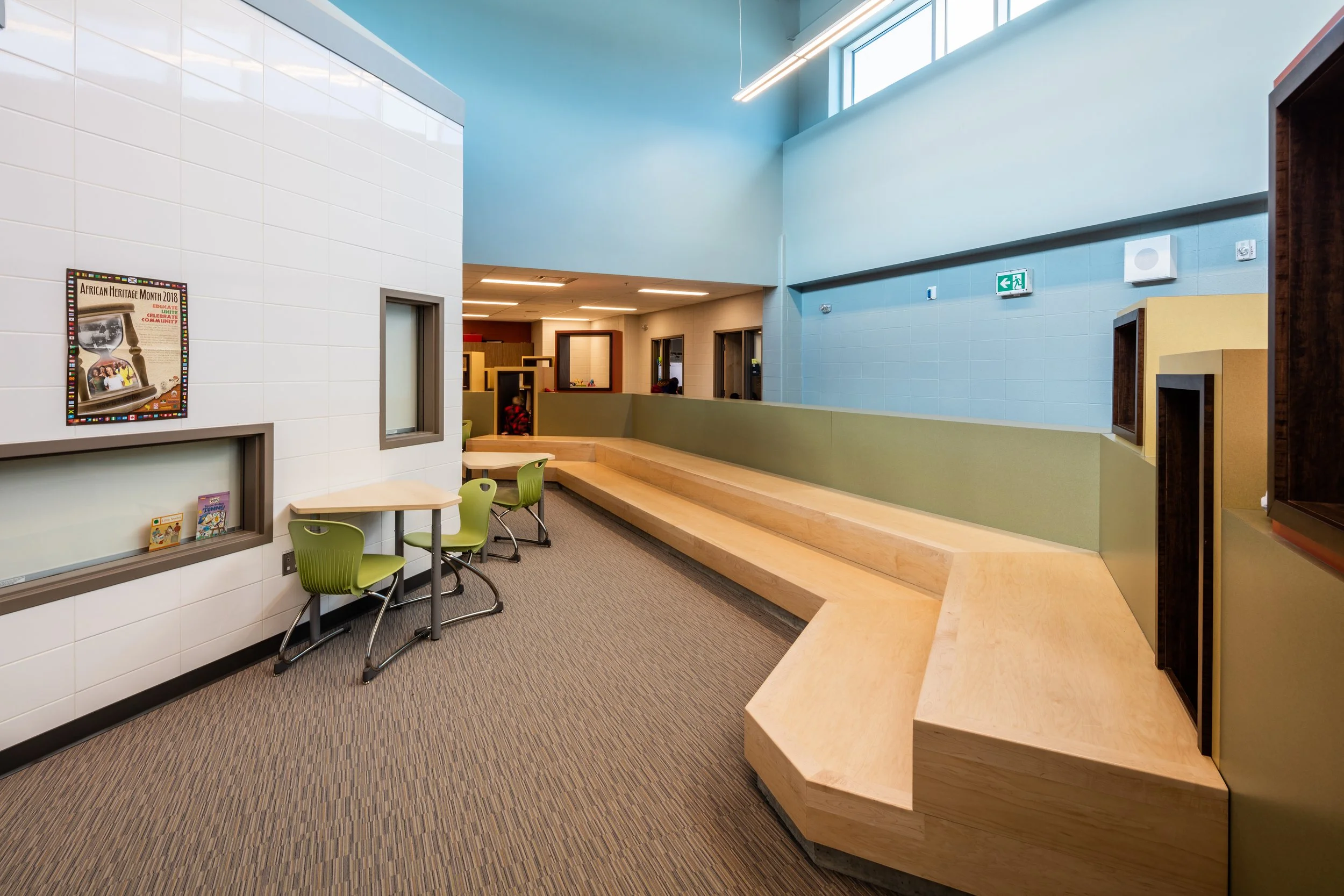
We begin with pedagogy, planning schools from the inside out. Circulation becomes purposeful breakout space, staircases transform into informal amphitheatres, and outdoor areas evolve into curriculum-ready classrooms. Light, acoustics, air quality, and nature are carefully tuned to support focus and behaviour, while adaptable layouts allow schools to grow with changing curricula and technology. As anchors of their neighbourhoods, our schools also integrate shared gyms, theatres, and libraries with secure access for safe after-hours community use.
Social & Emotional Learning
The built environment supports well-being, connection, and growth. Daylight, acoustics, and natural materials are paired with intentional spaces for reflection, collaboration, and social interaction, helping students develop resilience, empathy, and confidence as part of their daily experience.
Flexibility
Classrooms, commons, and support spaces are designed to adapt to changing curricula, technologies, and teaching methods. Movable furniture, multi-use zones, and adaptable layouts allow spaces to shift seamlessly between group work, independent study, and hands-on exploration—ensuring the building can evolve alongside the school community.
Learner-Centered Design
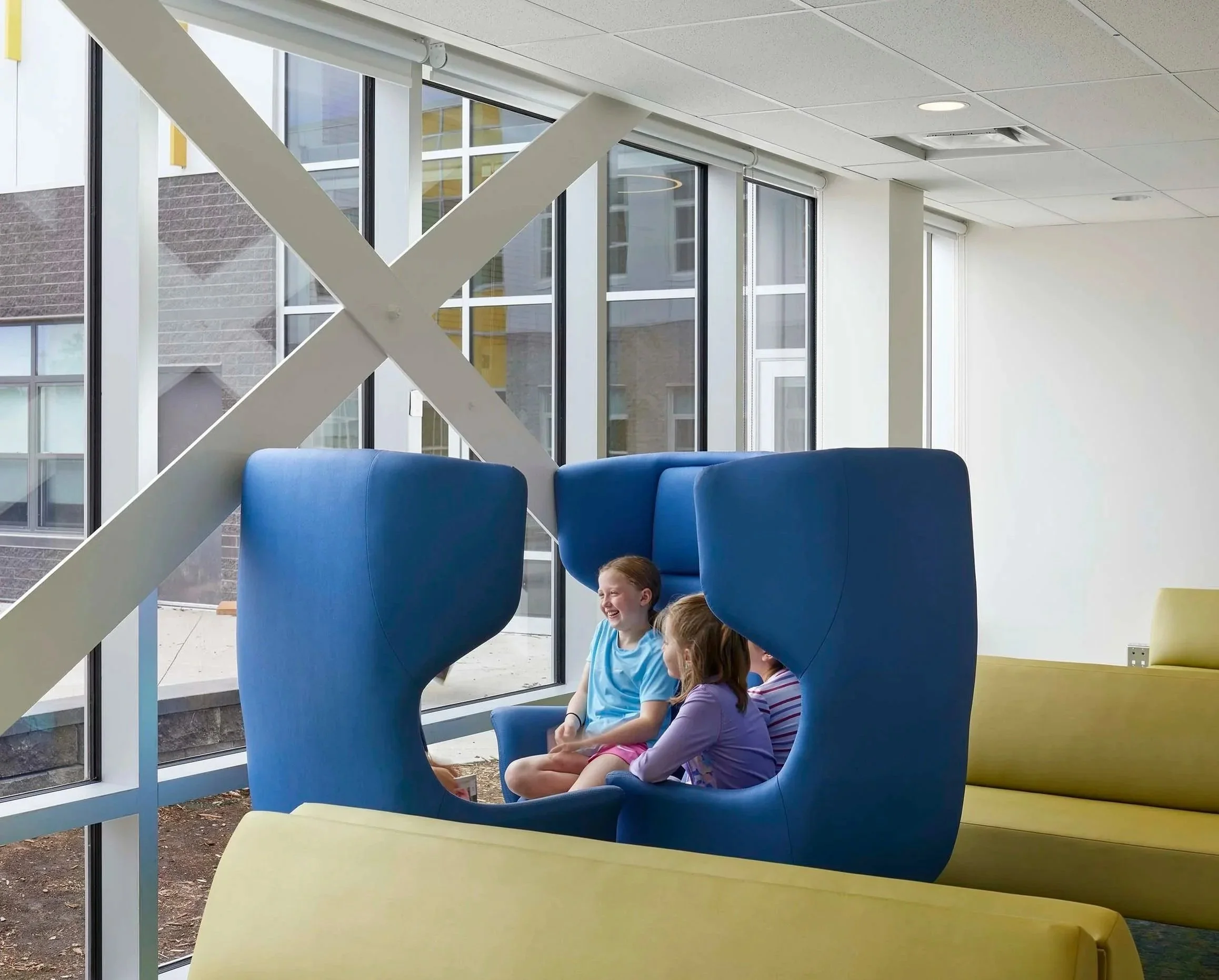
Spaces are designed to support diverse learning styles and individual choice. From open collaboration zones to quiet alcoves, the environment responds to how students learn best. Teachers and learners are empowered to use the building in ways that enhance learning, rather than being constrained by it, fostering confidence, engagement, and a sense of ownership over the learning experience.
Active & Passive Safety
Safety is integrated thoughtfully into the design, combining clear sightlines, zoned access, and natural supervision with material and spatial strategies that maintain openness and warmth. This layered approach promotes focus and learning while ensuring students feel secure and supported at all times.
Emerging Trends in EDUCATION DESIGN
For many students, entering a new educational environment marks a moment of growth and possibility. Each stage of learning brings new expectations, responsibilities, and opportunities to explore. These transitions can be both energizing and demanding, underscoring the value of spaces that promote comfort, confidence, and connection. Through thoughtful design, learning environments can evolve beyond the institutional model to become cohesive communities—scaling naturally from individual focus to collective engagement. As educational needs continue to evolve, several key design considerations are shaping how we create adaptable, inclusive, and future-ready spaces.
TECHNOLOGY
Educational technology continues to evolve rapidly, requiring learning environments that are adaptable and flexible. Architectural tools such as demountable partitions and removable ceilings, combined with enhanced electrical and communication systems, help future-proof schools. We design nimble environments that can be easily reconfigured over time without extensive renovation.
Furniture
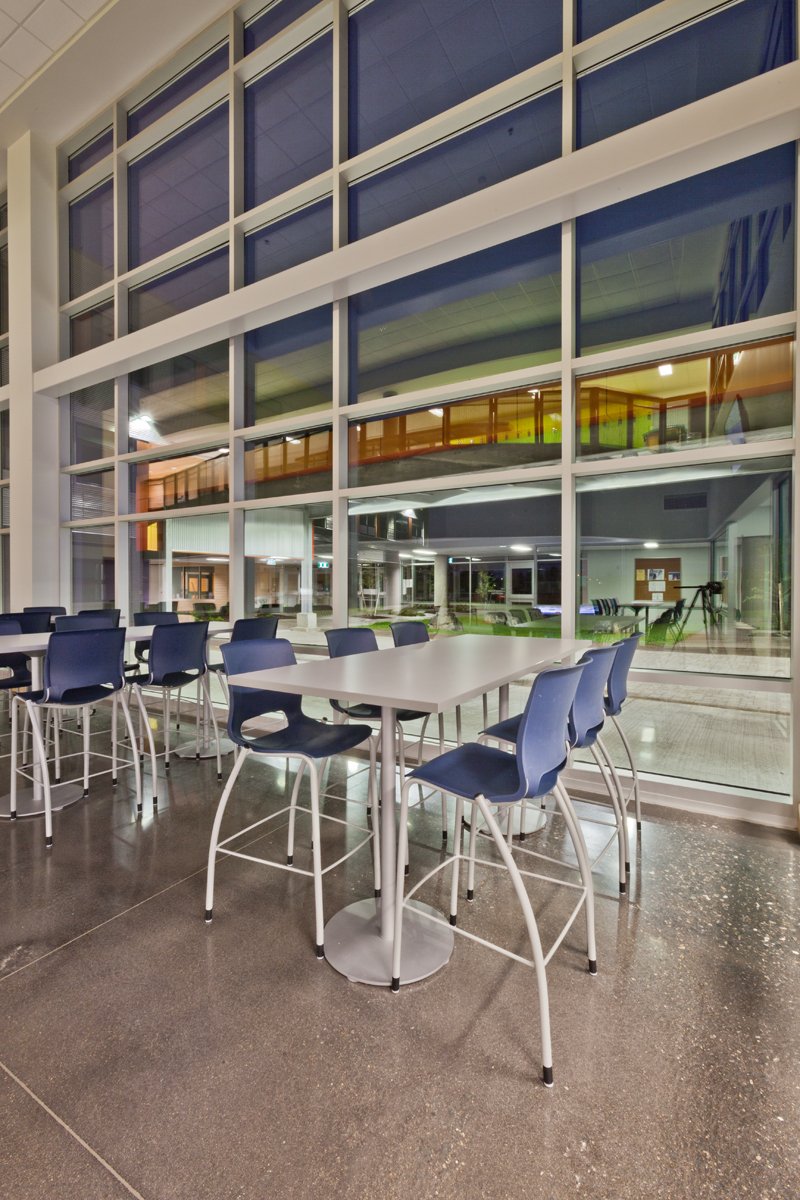
Furniture remains one of the most under-optimized aspects of school design. Spaces should support a range of body types, abilities, and activities—allowing students to move, adjust, and stretch throughout the day. From standing desks to soft seating, furniture should adapt as learners grow, supporting comfort and engagement.
LIGHTING & VIEWS
Lighting strategies should balance natural and artificial sources to support comfort, energy efficiency, and focus. Classroom lighting must be flexible and adjustable, accounting for orientation, season, and activity. Window treatments help manage daylight, while indirect and direct artificial lighting maintain color quality and visual comfort throughout the day.
DESIGN PERSPECTIVES
Stories and insights from our work.
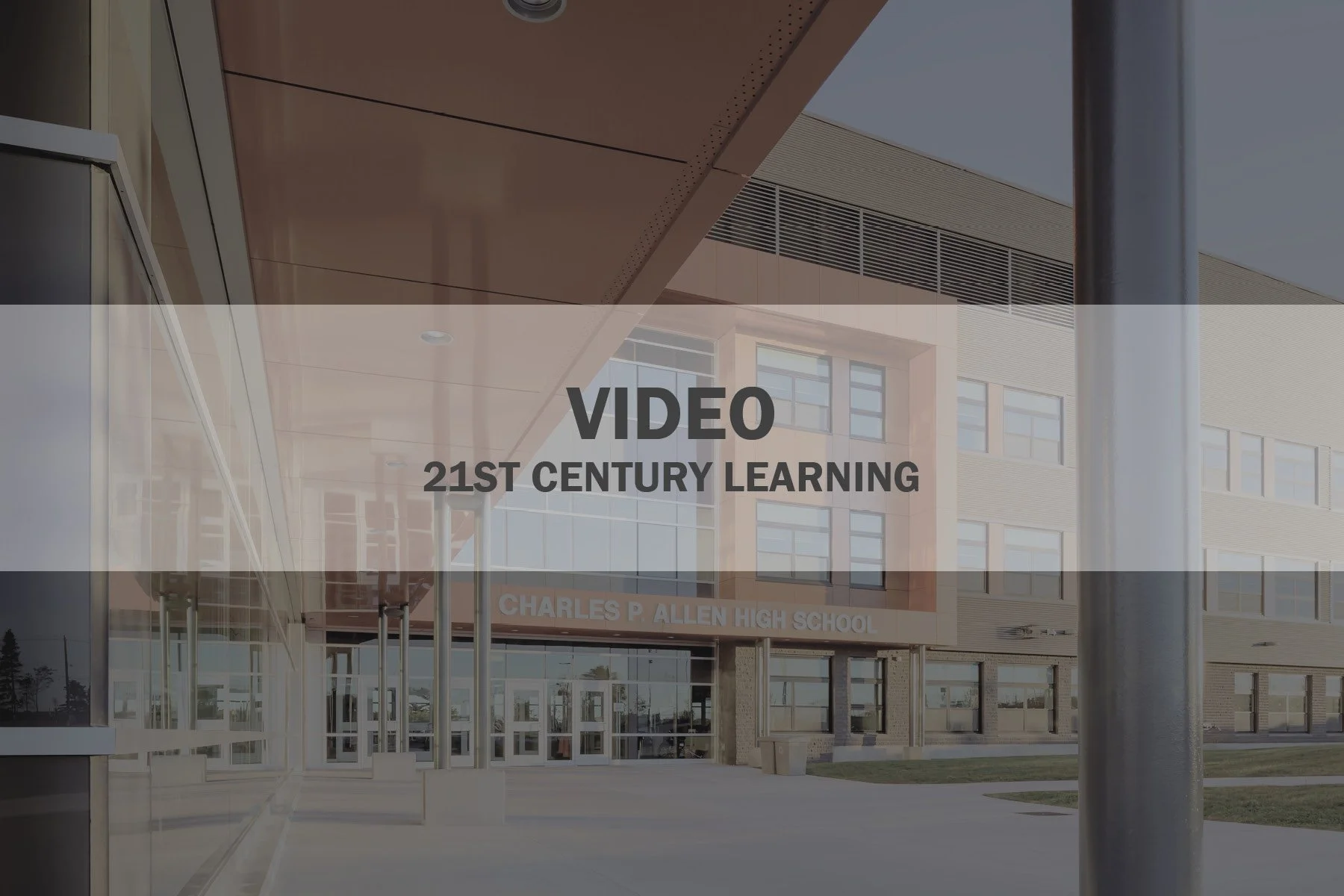
A look at 21st‑century learning highlighting creativity, collaboration, critical thinking, and technology‑rich environments empowering students.
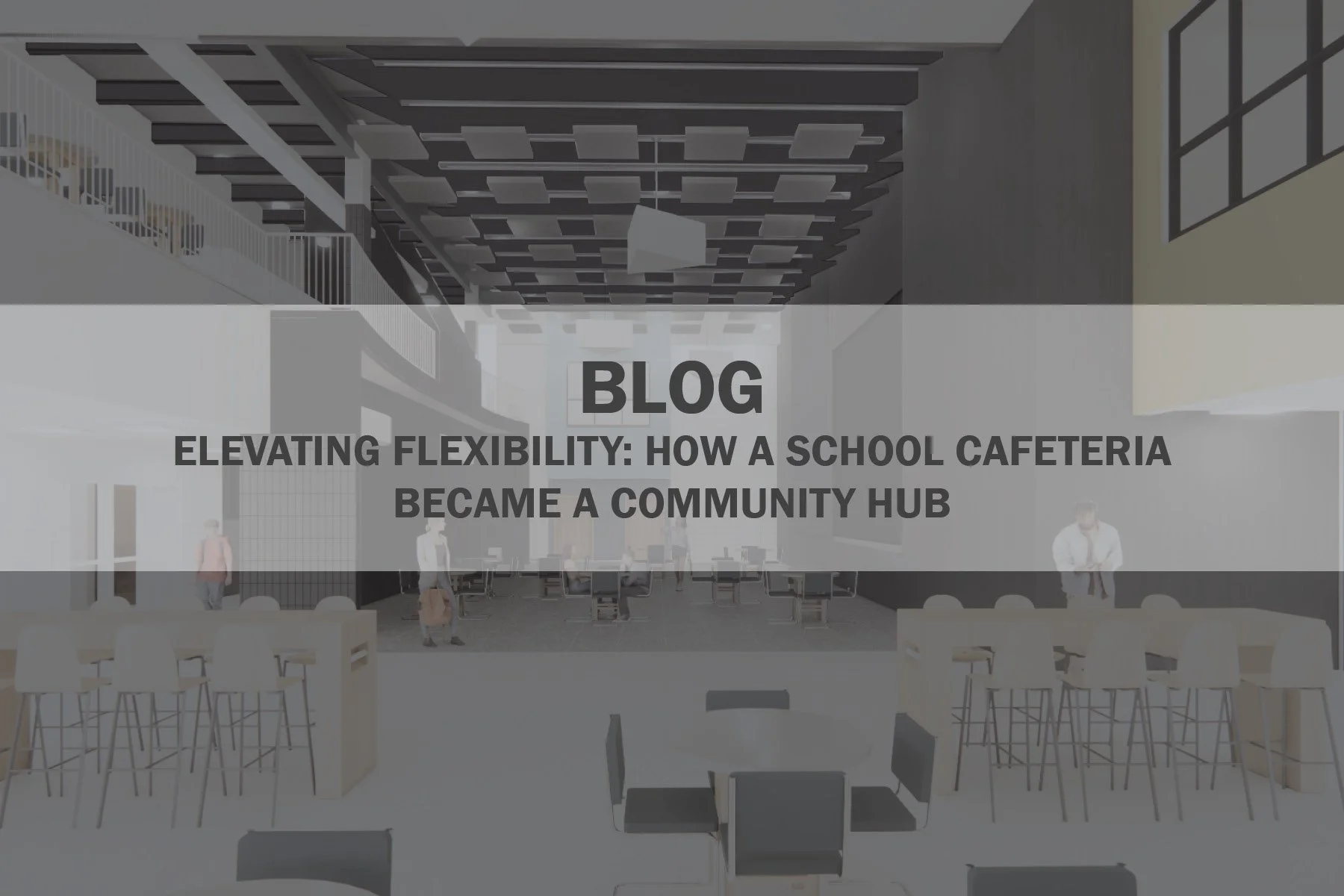
A school cafeteria reimagined as a welcoming, flexible hub supporting learning, community events, and student‑centered programming.
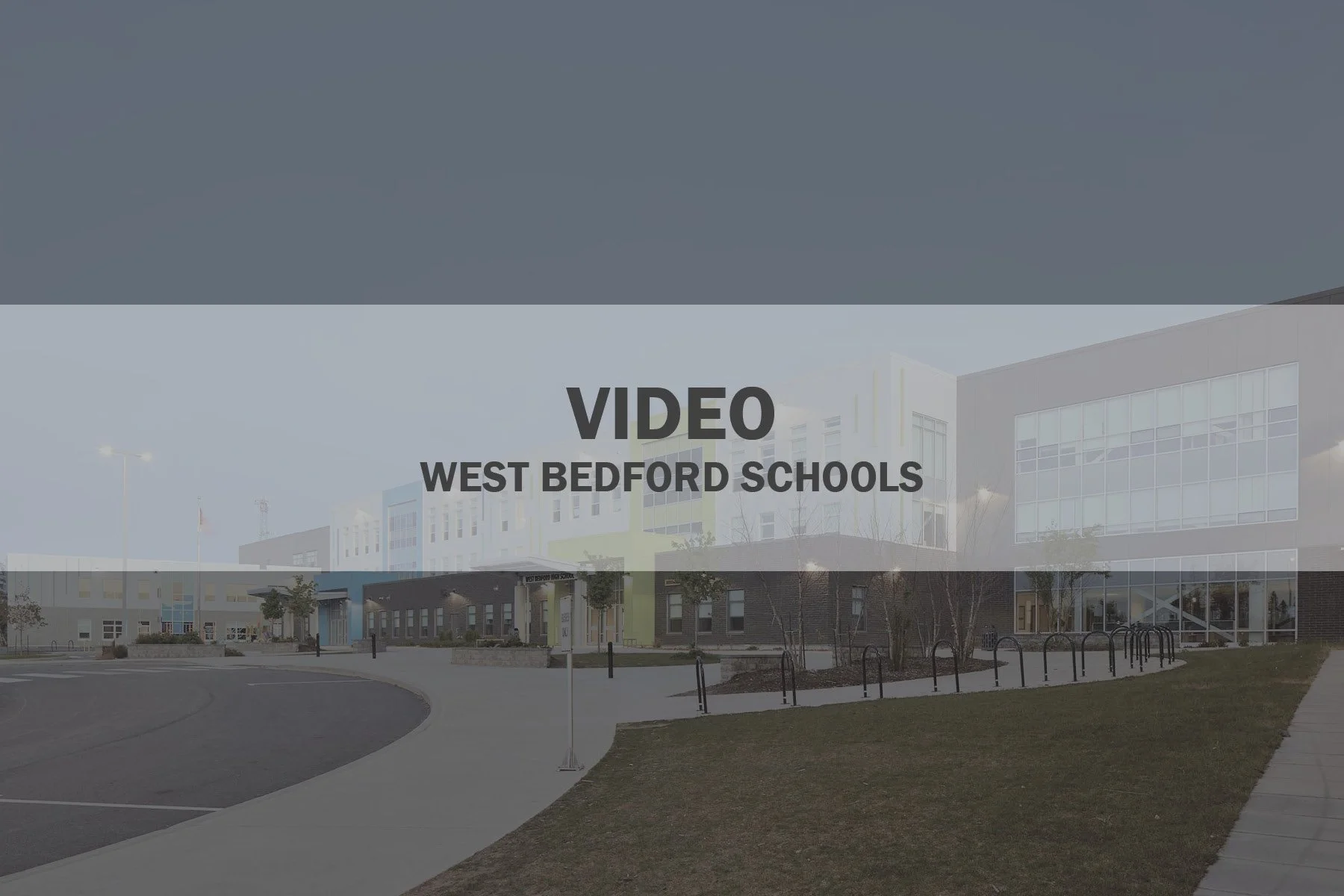
A PP–12 school with shared hubs, flexible interdisciplinary spaces, and distinct wings supporting collaboration and community identity
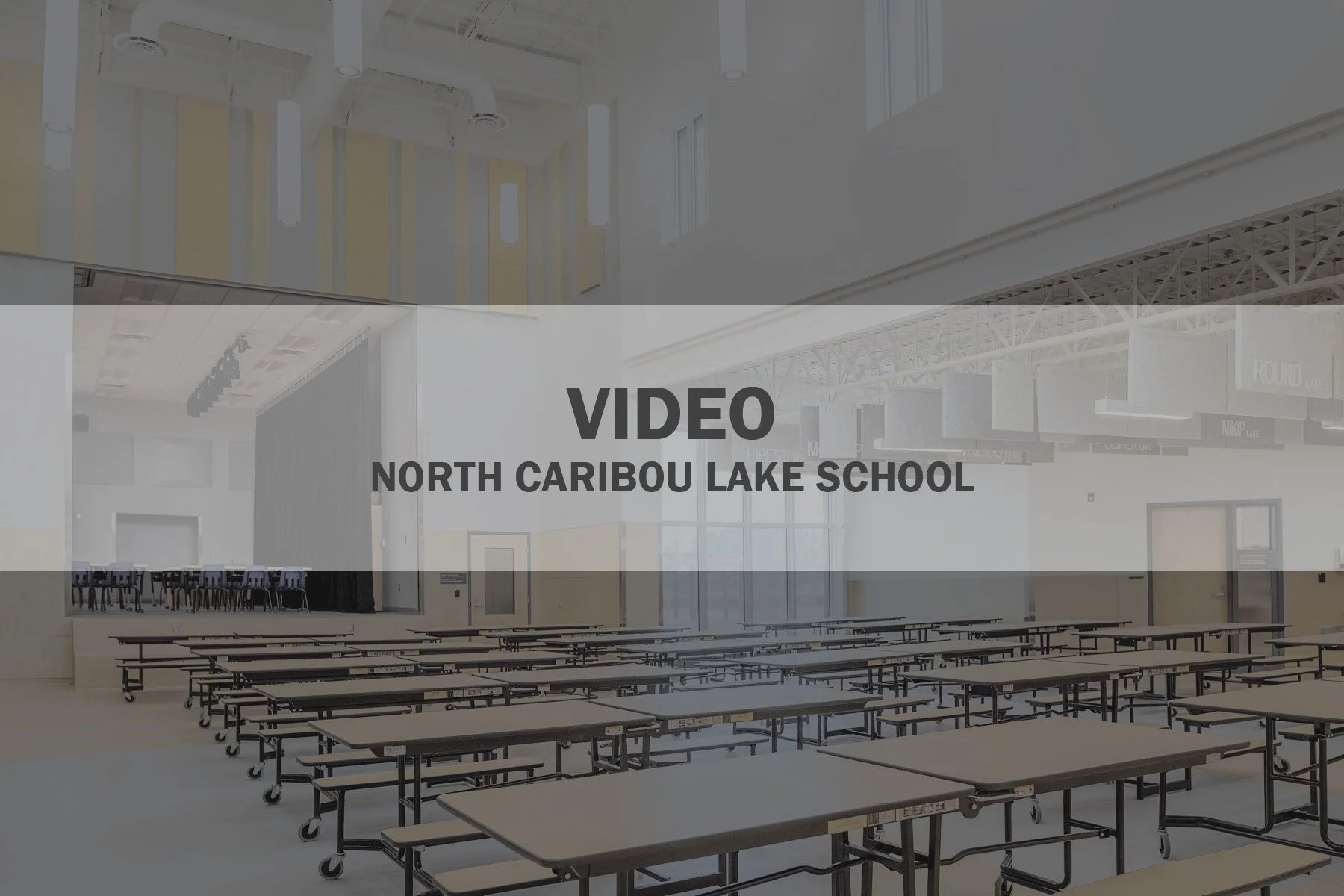
A K–12 school inspired by forest pathways, natural light, and culturally rooted spaces supporting identity and intergenerational learning.
AREAS OF PRACTICE